Car Buttons vs. Touchscreens: Which is More Distracting?
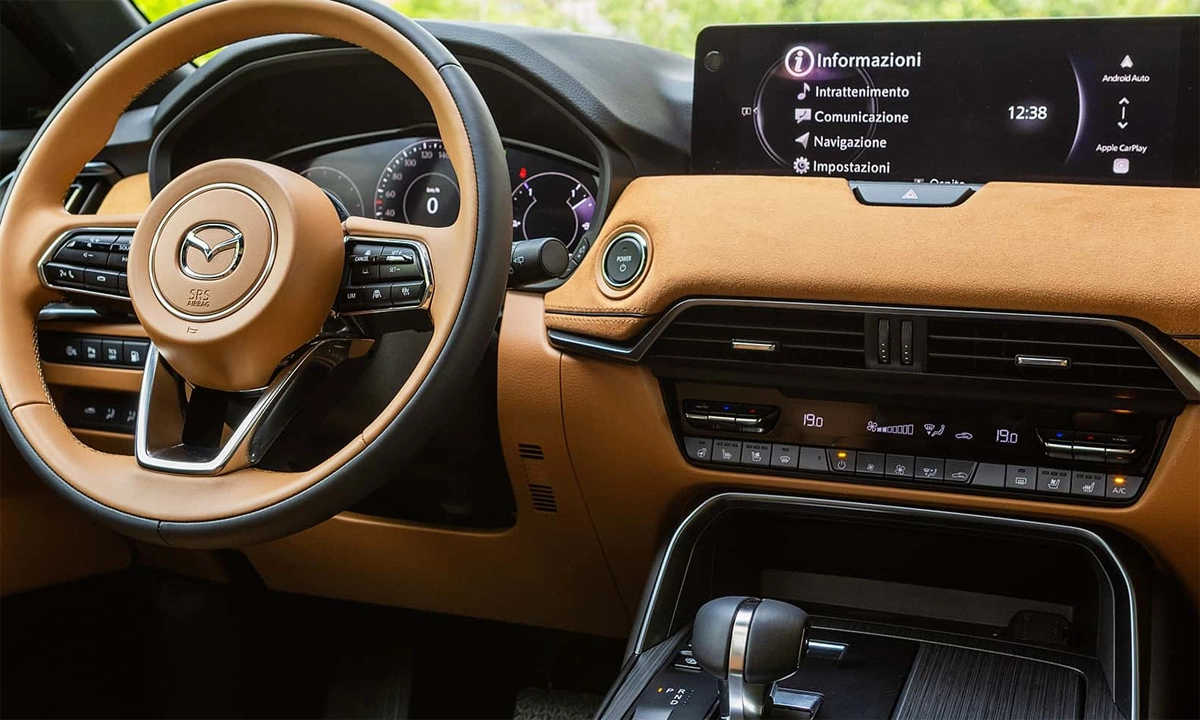
A comparison of car control interfaces suggests that numerous physical buttons can be more distracting for drivers than touchscreen systems. Specifically, a Mazda model equipped with 50 physical buttons was found to require more time for drivers to operate compared to the touchscreen interface in a Tesla vehicle. This finding raises questions about the design choices made by automotive manufacturers regarding driver interaction and safety. The study implies that while touchscreens have their own challenges, a high density of physical controls might present a greater cognitive load for drivers. This could potentially impact reaction times and overall driving safety. The research highlights the ongoing debate in automotive design about the optimal balance between physical controls and digital interfaces for a user-friendly and safe driving experience. The implications extend to future vehicle development, where manufacturers must carefully consider driver distraction when choosing control methods.
The proliferation of buttons in some vehicle models, contrasted with the minimalist approach of touchscreens, presents a classic design trade-off between tactile feedback and integrated digital interfaces. While physical buttons offer a direct, often haptic, interaction, an excessive number can lead to cognitive overload as drivers search for specific controls. Conversely, touchscreens, while potentially cleaner in design, can require more visual attention, especially for complex functions. Future automotive interfaces will likely evolve towards more intuitive, context-aware systems that minimize driver distraction, potentially through advanced voice control, head-up displays, or adaptive interfaces that prioritize frequently used functions. The challenge lies in balancing immediate access to critical controls with the reduction of visual and cognitive load, ensuring that driver attention remains focused on the road.
AI-generated to prompt reflection — not editorial opinion, not advice, not a statement of fact. How this works.