Car thief apprehended after high-speed chase, crash, and foot pursuit in Brazil
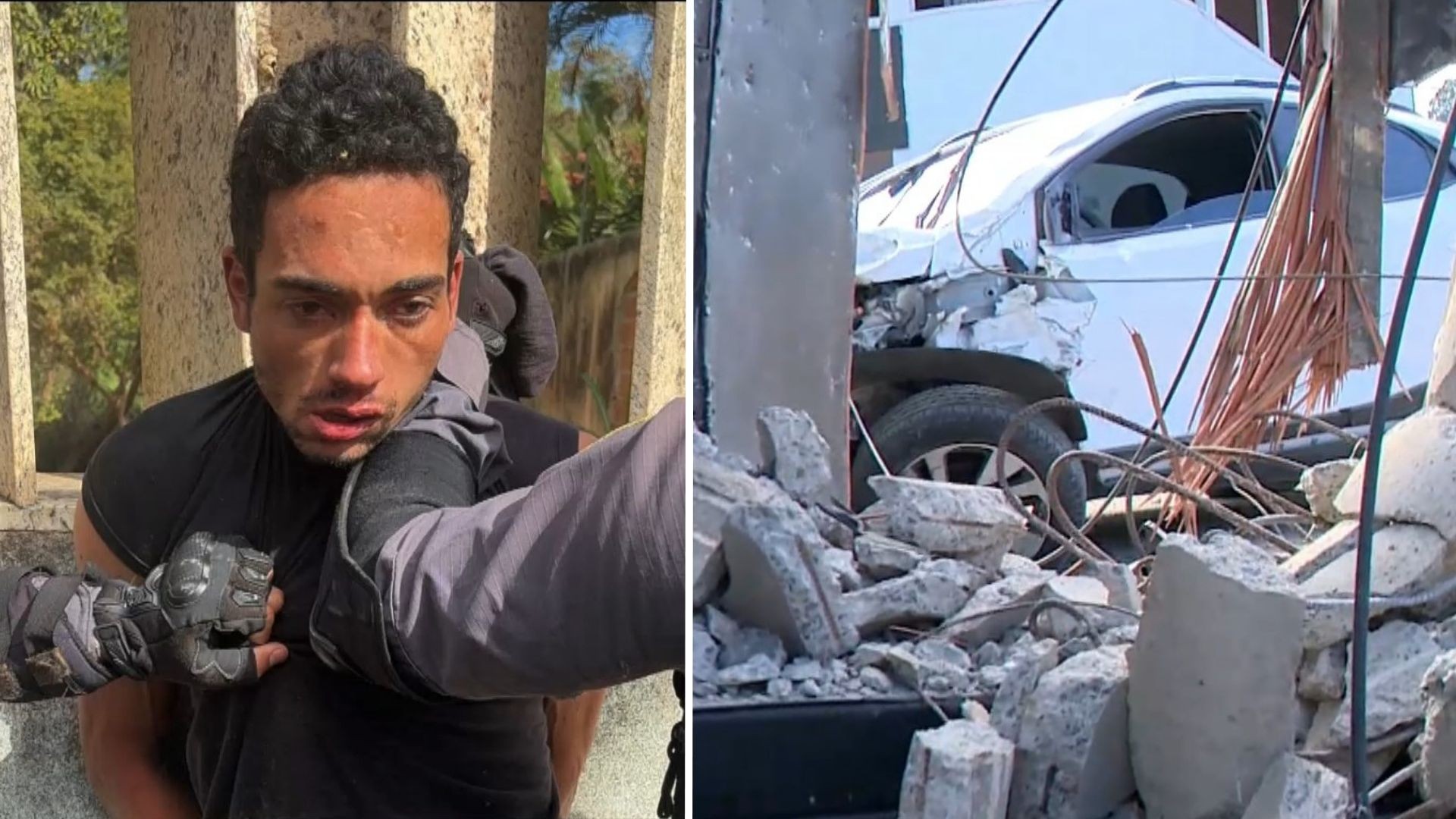
A 30-year-old man was arrested in Cachoeiro de Itapemirim, Espírito Santo, Brazil, on Friday, May 17th, following a carjacking and subsequent police chase. The incident began when the suspect, armed with a knife, stole a vehicle from a bank employee in the city center. During the theft, another individual attempted to intervene and engaged in a physical struggle with the assailant. The suspect then fled the scene in the stolen car. Police pursued the vehicle at high speed, with footage showing it crashing into a utility pole on highway ES-482. After the collision, the suspect abandoned the car and attempted to escape on foot into a wooded area in the União neighborhood. Law enforcement, including the Municipal Guard, surrounded the area, and the suspect was eventually detained. During his escape, he reportedly assaulted a woman in an attempt to enter her home. Authorities noted the suspect's aggressive resistance to arrest and suggested he may have been under the influence of drugs or alcohol. A helicopter from the Notaer aerial operations unit was deployed but arrived after the suspect's capture. Tear gas was used to facilitate the arrest. The man received initial medical attention at a UPA before being taken to the regional police station.
This event highlights a common nexus of criminal activity involving vehicle theft, evasion, and public endangerment. The suspect's actions, including the assault on a civilian and resisting arrest, suggest a pattern of desperation possibly exacerbated by substance abuse, as indicated by preliminary police observations. The rapid deployment of multiple law enforcement units and aerial support underscores the perceived threat level and the importance of swift apprehension in such cases. From a systemic perspective, the incident raises questions about the effectiveness of crime prevention strategies in urban centers and the challenges of addressing the underlying issues that may drive such behavior, including access to rehabilitation services for substance abuse. The reliance on advanced surveillance and rapid response capabilities demonstrates the evolving landscape of policing, where technology plays a crucial role in incident resolution.
AI-generated to prompt reflection — not editorial opinion, not advice, not a statement of fact. How this works.