Caracaraí Health Workers Report Recurring Salary Delays
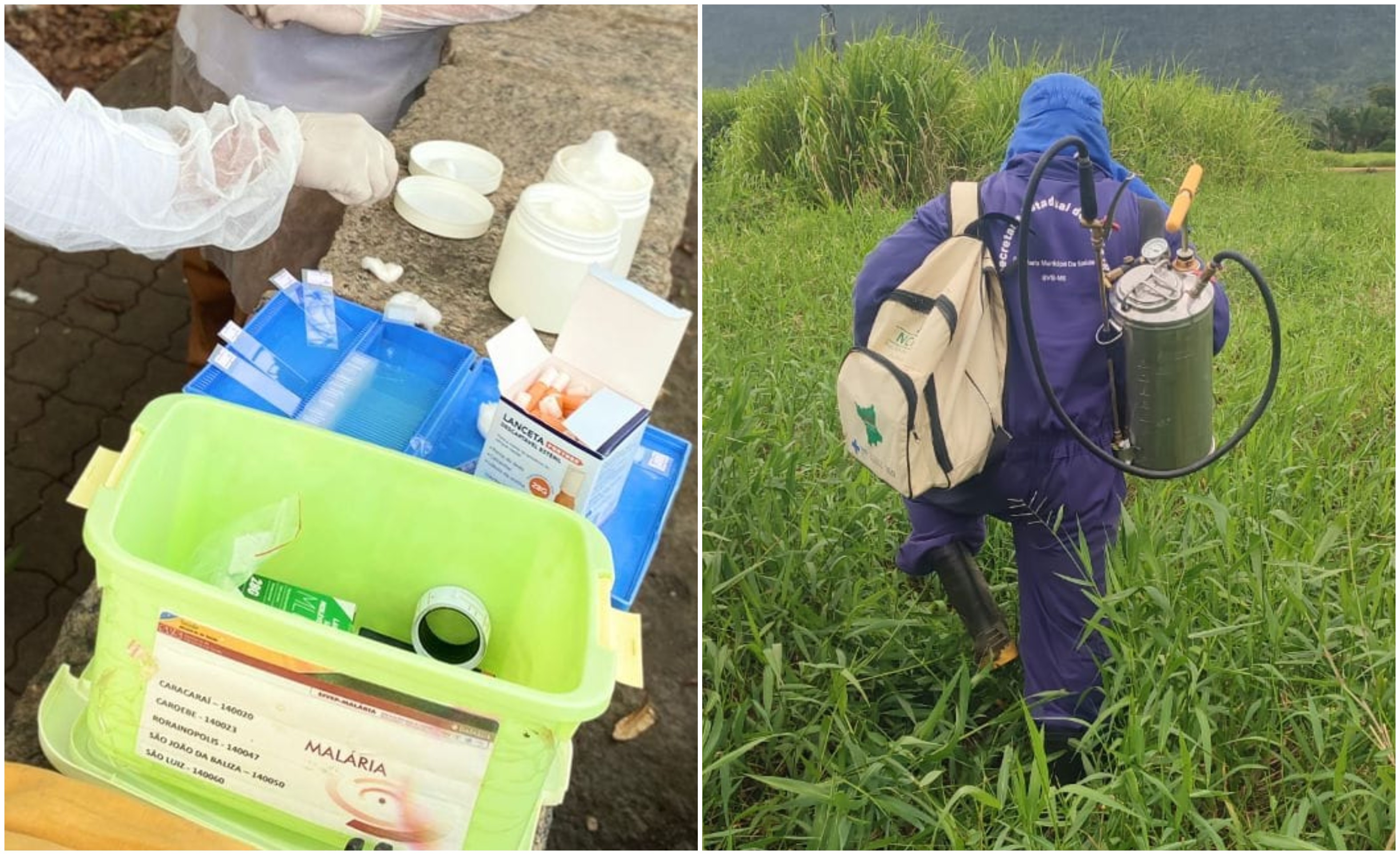
Community and endemic disease agents in Caracaraí, Roraima, have gone eight days without receiving their June salaries, which were due on July 7th. This marks a continuation of recurring payment delays that have plagued the category since last year, with brief regularity earlier in 2024. A total of 66 Community Health Agents (ACS) and 21 Endemic Disease Control Agents (ACE) are affected. These frontline health workers, responsible for disease prevention and home visits under the SUS system, include statutory, selected, and municipally contracted personnel. The Caracaraí municipal government attributes the delay to a lack of federal funds, promising immediate payment upon transfer. However, the Roraima State Union of Community Health Agents and Endemic Disease Control Agents (Sindacse-RR) has sought explanations, with the National Health Fund (a Ministry of Health body) stating that federal transfers are proceeding regularly and on schedule. Union president Thaís Santos noted that agents receiving federal funds must wait for these transfers, which sometimes arrive late. The delayed payments are causing financial hardship, with workers facing late fees on utilities and potential credit rating damage. The union is exploring legal actions to enforce payment by the fifth business day of each month, as mandated by law. Formal complaints have been filed with the Public Ministry of Labor (MPT), the Roraima Court of Accounts (TCE-RR), and the Federal Public Ministry (MPF). Additionally, the agents accuse the municipality of withholding at least three months of installment payments for payroll-deducted loans, despite deducting them from salaries, leading to collection calls and threats of credit blacklisting. Despite these payment issues, the agents continue their daily duties and adhere to Ministry of Health performance targets.
This situation highlights a potential systemic disconnect between federal funding disbursements and municipal payroll obligations for essential public health workers. The recurring salary delays, despite federal assurances of timely transfers, suggest possible inefficiencies or bottlenecks in the municipal financial management or intergovernmental fund flow. The workers' reliance on timely payments for basic needs and the potential for negative credit impacts underscore the critical importance of predictable compensation. Furthermore, the alleged withholding of loan repayments by the municipality, if substantiated, points to a serious governance and fiduciary concern that could jeopardize employee financial stability and trust. Exploring legal recourse and demanding transparent payment calendars are rational steps for the affected workers to ensure their contractual rights and financial well-being, especially as they perform vital public health functions.
AI-generated to prompt reflection — not editorial opinion, not advice, not a statement of fact. How this works.