Caraguatatuba Shrimp Festival Celebrates Culture and Cuisine
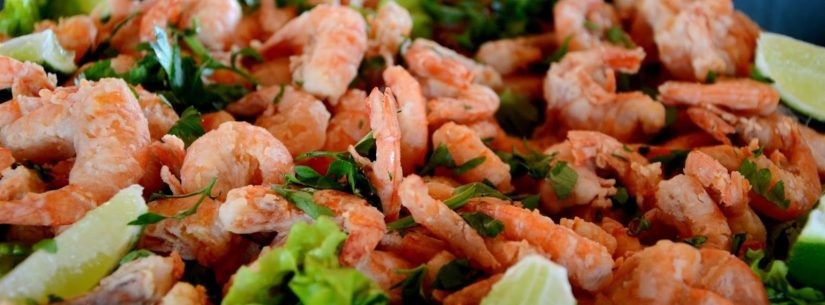
The 27th annual Shrimp Festival commenced on Thursday, July 16th, in Caraguatatuba's Praça da Cultura, located in the city center. This 11-day event, running until July 26th, offers a free program for residents and tourists, blending regional gastronomy, Caiçara traditions, and artistic performances. Organized by the Municipal Government, Fundacc, and the Praia do Camaroeiro Fishermen's Association, the festival features a variety of shrimp dishes and local delicacies, alongside artisanal products and sweets. Musical entertainment spans genres like MPB, choro, reggae, rock, and forró, complemented by cultural expressions that highlight local identity. Visitors can also witness demonstrations of traditional fishing net making and canoe construction from Guapuruvu logs, offering an immersive experience into the fishing community's heritage. A notable attraction is the replica of a traditional Caiçara house with a wood-burning stove, built from natural materials to showcase typical fishing community architecture and lifestyle. The festival concludes with the traditional Caiçara canoe race on Sunday, July 26th, starting at 7:30 AM on the Centro beach, which previously attracted around 80 participants. Beyond its culinary appeal, the event aims to preserve and promote Caraguatatuba's cultural heritage, particularly its fishing traditions, while fostering local economic development and creative industries.
This festival serves as a cultural and economic initiative, aiming to preserve and promote local traditions, particularly those tied to the Caiçara fishing community. By integrating gastronomy, artisanal crafts, and traditional demonstrations, the event seeks to strengthen cultural identity and provide economic stimulus, especially following the fishing closed season. The inclusion of activities like canoe racing and the reconstruction of a traditional dwelling highlights a strategy to leverage cultural heritage for tourism and community engagement. Such events can foster a sense of place and continuity, connecting younger generations with ancestral practices. From a systems perspective, the festival's success hinges on balancing the preservation of intangible heritage with economic viability and community participation, ensuring that cultural assets translate into sustainable local development without commodifying traditions excessively.
AI-generated to prompt reflection — not editorial opinion, not advice, not a statement of fact. How this works.