Caravan Fires in Southern Europe: What Your Insurance Covers
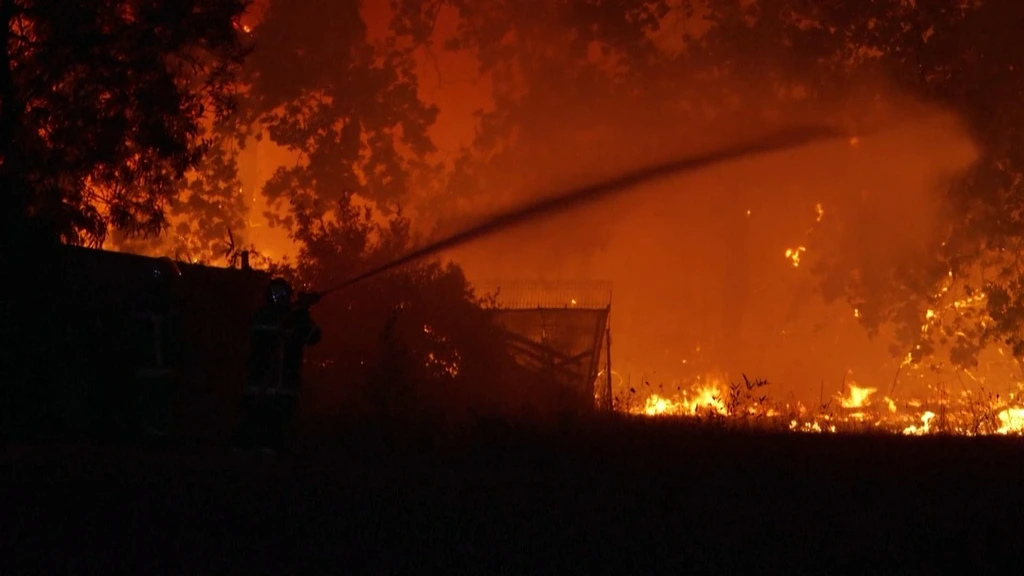
As wildfires rage across Southern Europe, travelers heading to destinations like France and Spain are understandably concerned about potential disruptions. This article addresses common insurance questions arising from events like evacuations and property damage, such as to caravans. If a holiday park or hotel is evacuated, a travel insurer's alarm center can often assist with arranging alternative accommodation. However, it's advisable to first check with the accommodation provider or tour operator for available options. For organized tours, repatriation is often included, while for independent travelers, coverage depends on the specific travel insurance policy.
Damage to a caravan or camper due to fire may be covered if a specific caravan insurance policy is in place; this is not mandatory but can provide reimbursement. Camper insurance is always mandatory due to their use as vehicles, and coverage for fire damage depends on the policy's terms. Tents and other luggage are typically covered under the baggage section of a travel insurance policy, often including damage from fire, smoke, or extinguishing water.
Cutting a holiday short due to wildfires is generally not covered by standard travel insurance, nor are extra costs for earlier flights or unused accommodation. However, a cancellation insurance policy, if purchased before the trip and usually within seven days of booking, may cover the trip's cost if it must be canceled. Tour operators often have obligations to assist or offer alternatives if the original destination becomes inaccessible, and travelers may be able to refuse changes that significantly alter the holiday or cause disadvantage, potentially leading to a refund. Insurance typically covers unforeseen events, so pre-existing fires at the time of booking might not be covered.
Medical expenses incurred abroad due to wildfires are often covered by health insurance, especially with supplementary coverage. Travel insurance can also provide additional medical cost coverage beyond Dutch healthcare rates, and the travel insurer's alarm center can assist in finding medical help.
The article highlights a critical gap in consumer preparedness for climate-related travel disruptions, particularly concerning property like caravans and campers. While insurance policies offer recourse, their complexity and varied terms mean many individuals may face unexpected out-of-pocket expenses. This situation underscores the need for clearer, more standardized insurance products that explicitly address risks amplified by climate change. Future policy development could explore mechanisms for proactive risk communication and potentially mandatory, climate-aware coverage for high-risk assets. The reliance on individual foresight in purchasing specific policies before unforeseen events occur also points to systemic challenges in adapting to a changing environment, where 'unforeseen' is rapidly becoming the norm.
AI-generated to prompt reflection — not editorial opinion, not advice, not a statement of fact. How this works.