Carbon Capture Tech Explored for Data Center Emissions
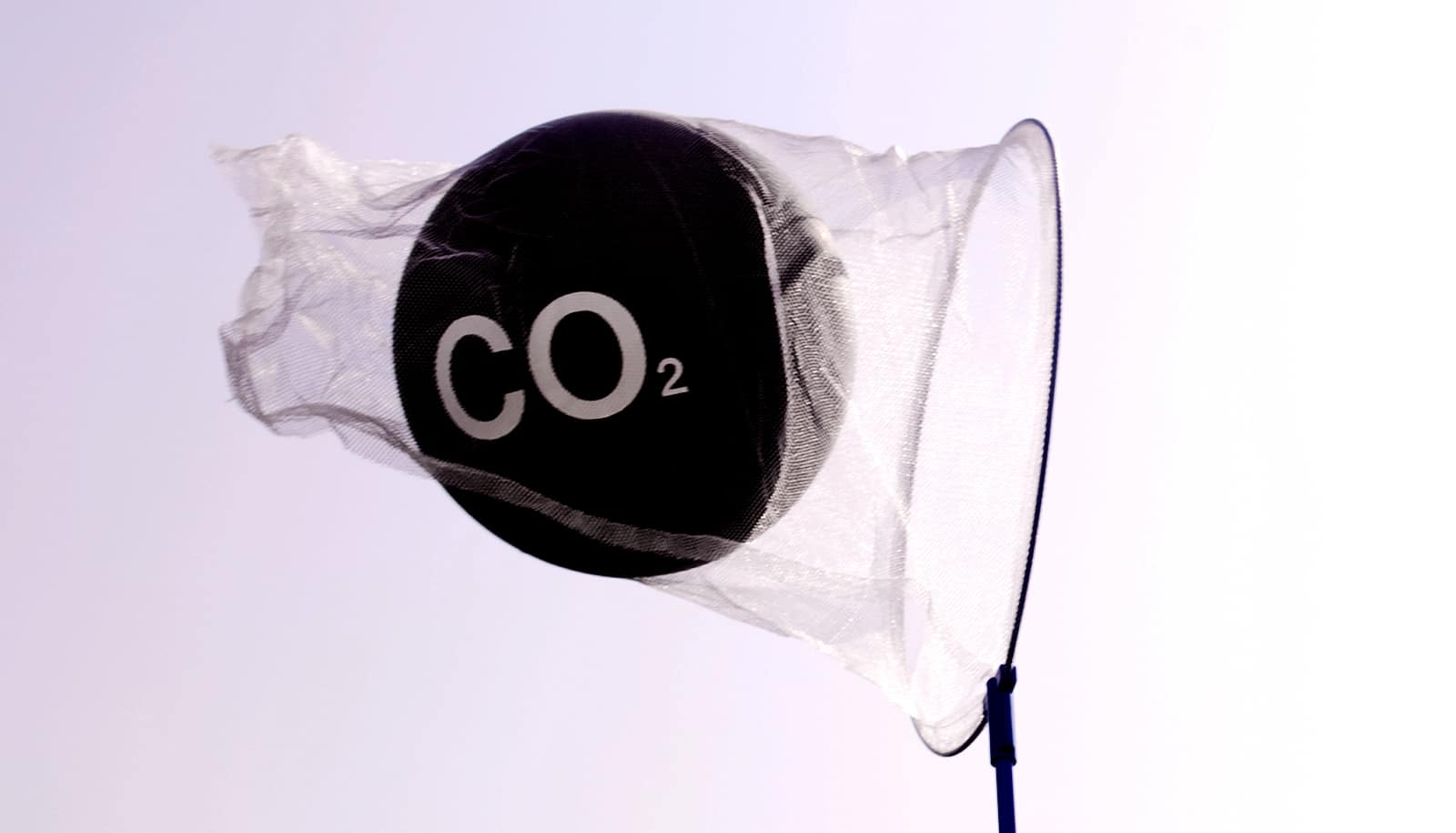
Data centers are emerging as a significant energy challenge, particularly with the rise of the AI era. The increasing demand for computing power, driven by artificial intelligence, is leading to a substantial rise in energy consumption by these facilities. This trend poses a considerable environmental concern due to the associated carbon emissions. To address this growing issue, innovative solutions are being considered. One such promising technology is carbon capture and storage (CCS). CCS involves capturing carbon dioxide emissions at their source and storing them, preventing their release into the atmosphere. Applying this technology to data centers could offer a viable pathway to mitigate their environmental impact. The integration of CCS aims to curb the significant carbon footprint generated by the energy-intensive operations of modern data centers. This approach could play a crucial role in making the expansion of AI infrastructure more sustainable.
The escalating energy demands of data centers, amplified by the AI revolution, present a critical inflection point for environmental sustainability. While carbon capture and storage (CCS) offers a potential technological fix, its widespread implementation faces significant economic and logistical hurdles. The long-term viability of CCS hinges on factors like energy efficiency of the capture process, secure long-term storage solutions, and the overall cost-competitiveness compared to renewable energy integration. This approach raises questions about whether CCS is a necessary interim solution or a distraction from the imperative to transition towards inherently less energy-intensive computing paradigms and direct renewable energy sourcing for data center operations. The next decade will likely see a tension between deploying emission-reduction technologies at the source and fundamentally redesigning computational infrastructure for greater efficiency.
AI-generated to prompt reflection — not editorial opinion, not advice, not a statement of fact. How this works.