Carbon Monoxide Poisoning: Prevention Tips and Gas Bill Savings
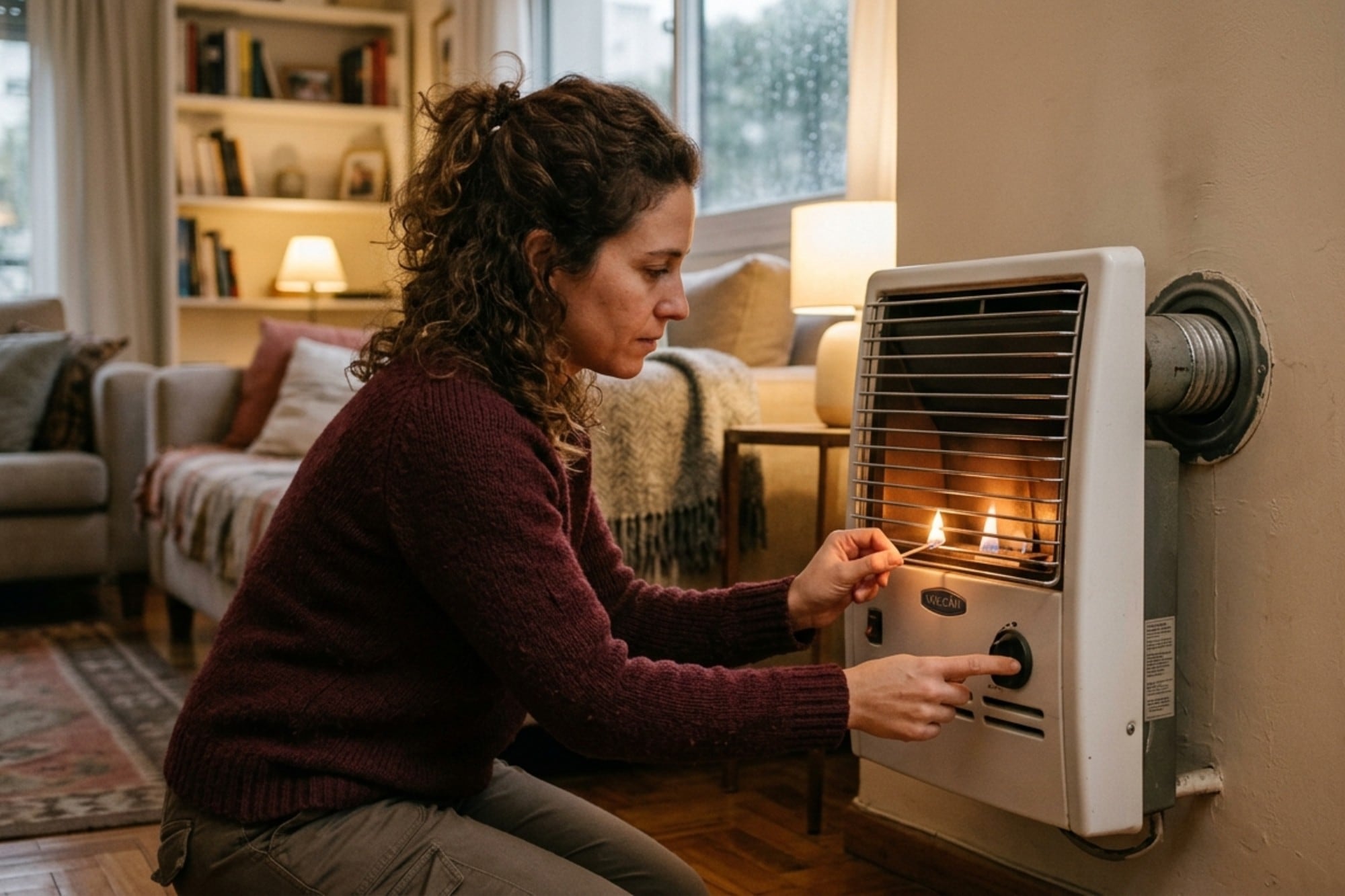
As winter approaches, health authorities are reiterating warnings about the dangers of carbon monoxide poisoning, a silent threat often linked to the improper use of gas appliances. Each year, the message remains consistent: a single misstep in how gas is utilized can lead to severe consequences, far outweighing any potential savings on a utility bill. This preventable form of poisoning can occur when fuel-burning appliances, such as furnaces, water heaters, stoves, and generators, do not receive adequate ventilation or are malfunctioning. Incomplete combustion of fuels like natural gas, propane, oil, and wood releases carbon monoxide (CO), an odorless and colorless gas. Symptoms of CO poisoning can mimic the flu, including headaches, dizziness, nausea, and fatigue, but can rapidly escalate to confusion, loss of consciousness, and even death. Ensuring proper installation, regular maintenance, and adequate ventilation for all gas-powered appliances is crucial. Installing carbon monoxide detectors on every level of a home, especially near sleeping areas, provides an essential early warning system. Promptly addressing any unusual smells or concerning appliance behavior can prevent tragic outcomes. Public health campaigns aim to educate citizens on safe practices, emphasizing that prioritizing safety over minor cost reductions is paramount.
The recurring warnings about carbon monoxide poisoning highlight a persistent public safety challenge stemming from the intersection of essential household utilities and human error. While the immediate focus is on preventing acute health emergencies, the underlying issue involves the need for robust consumer education and appliance safety standards. As energy costs fluctuate, individuals may be tempted to cut corners on maintenance or ventilation, creating a systemic risk. Future-proofing this requires a multi-pronged approach: enhancing regulatory oversight of appliance safety and installation, promoting widespread adoption of smart CO detection technology, and developing public awareness campaigns that resonate beyond seasonal reminders. The long-term goal should be to foster a culture where appliance safety and energy efficiency are viewed as intrinsically linked, not mutually exclusive.
AI-generated to prompt reflection — not editorial opinion, not advice, not a statement of fact. How this works.