Cardiopulmonary Exercise Test Detects Hidden Heart Risks During Intense Sports
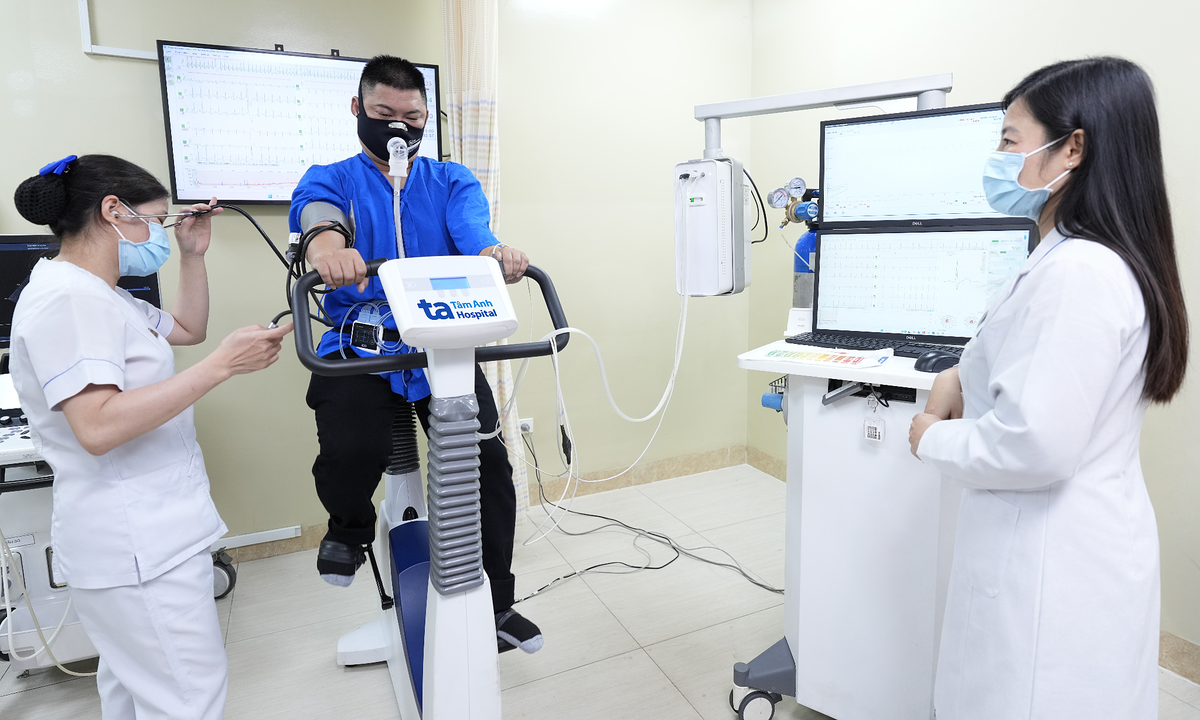
The cardiopulmonary exercise test (CPET) is a method that can identify hidden abnormalities that may lead to fainting or cardiovascular events during high-intensity physical activity. This is significant because these risks can be present even when a standard cardiovascular examination appears normal. CPET provides a more comprehensive assessment of the heart and lungs' response to exertion than a typical check-up. By simulating strenuous exercise in a controlled environment, the test can reveal subtle issues that might otherwise go unnoticed. These undetected problems could manifest as syncope (fainting) or more serious cardiac incidents when an individual pushes their physical limits. Therefore, CPET serves as a crucial tool for athletes and active individuals to proactively assess their cardiovascular health and mitigate potential dangers associated with intense sports participation. Early detection through this method allows for timely intervention and management, potentially preventing severe health outcomes.
The cardiopulmonary exercise test (CPET) offers a valuable diagnostic pathway for identifying latent cardiovascular vulnerabilities that may only manifest under the physiological stress of intense athletic activity. By providing objective data on cardiorespiratory function during exertion, CPET can serve as a crucial screening tool, potentially reducing the incidence of exercise-induced syncope and cardiac events. This approach highlights a systemic challenge in sports medicine: standard physicals may not adequately capture the dynamic demands placed on the cardiovascular system by modern athletic training regimens. Future developments in wearable technology and AI-driven physiological monitoring could offer continuous, real-time risk assessment, complementing or even enhancing the insights provided by CPET and fostering a more proactive approach to athlete safety in the coming decade.
AI-generated to prompt reflection — not editorial opinion, not advice, not a statement of fact. How this works.