Cardiovascular Disease in Indigenous Populations: Epidemiology and Risk Factors
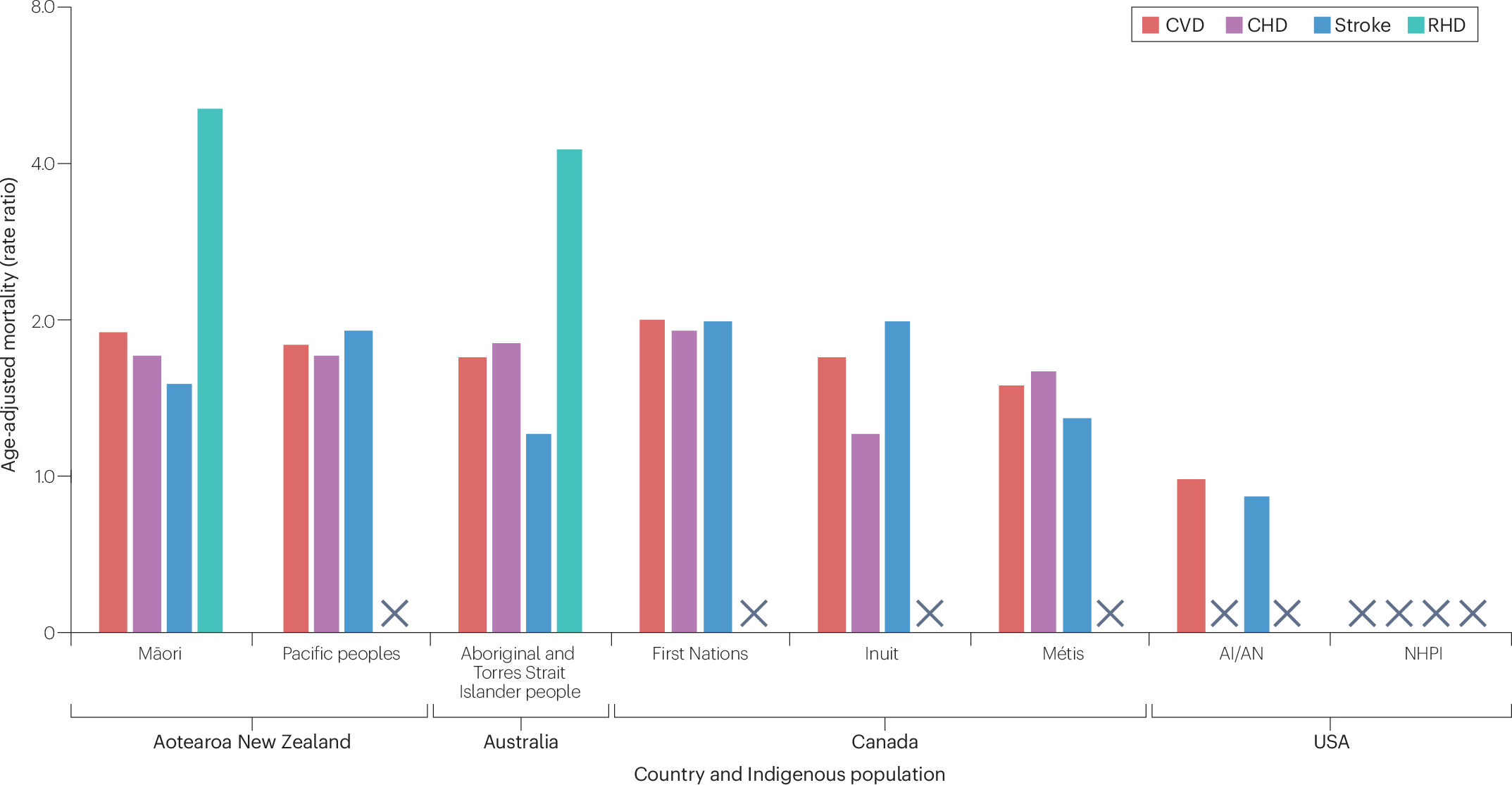
This article examines the epidemiology and determinants of cardiovascular disease (CVD) specifically within Indigenous populations. It delves into the prevalence and patterns of CVD in these communities, highlighting unique risk factors that contribute to the disease burden. The research aims to provide a comprehensive understanding of the factors influencing CVD in Indigenous peoples, which may differ significantly from non-Indigenous populations. Understanding these specific epidemiological trends and determinants is crucial for developing targeted public health interventions and healthcare strategies. The study likely explores a range of factors, including genetic predispositions, environmental influences, socioeconomic conditions, and cultural practices that may impact cardiovascular health. By focusing on these specific populations, the article seeks to inform more effective prevention and management approaches for CVD. This research is vital for addressing health disparities and improving health outcomes for Indigenous communities worldwide.
Understanding the specific epidemiological patterns and determinants of cardiovascular disease in Indigenous populations is critical for addressing persistent health disparities. This research highlights the need to move beyond generalized health approaches and develop culturally sensitive, targeted interventions. Examining the interplay of genetic, environmental, socioeconomic, and cultural factors can reveal systemic issues that contribute to higher CVD rates. Future public health strategies should focus on empowering Indigenous communities with resources and healthcare access tailored to their unique needs, fostering long-term improvements in cardiovascular health and overall well-being.
AI-generated to prompt reflection — not editorial opinion, not advice, not a statement of fact. How this works.