Caregiver government system is 'purely' bureaucratic mismanagement: Farashuddin
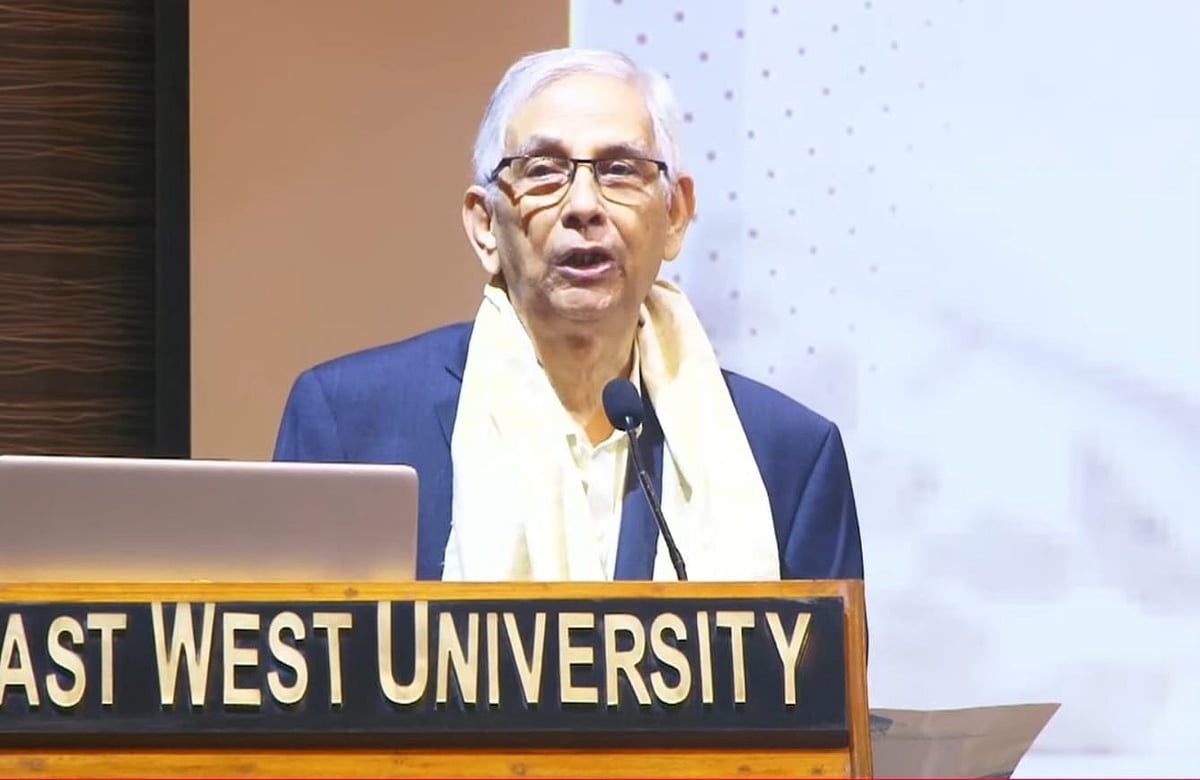
Mohammad Farashuddin emphasized inclusive politics regarding reforms. He stated that any plan to exclude or keep any large segment of the country's population out of politics is bound to fail. Farashuddin described the caretaker government system as 'purely' bureaucratic mismanagement. He believes that excluding a significant portion of the population from the political process is inherently flawed and destined for failure. His remarks highlight the importance of broad political participation for successful reforms. The concept of a caretaker government, in his view, represents a failure in bureaucratic management and governance. He advocates for a political system where all major groups are included, suggesting that exclusion leads to systemic problems. This approach aims to ensure stability and legitimacy through widespread engagement.
The assertion that a caretaker government system constitutes 'purely' bureaucratic mismanagement suggests a critique of its operational effectiveness and potentially its underlying rationale. By emphasizing inclusive politics and warning against excluding large segments of the population, the speaker highlights a potential systemic contradiction: a governance mechanism designed to ensure neutrality might, in practice, lead to alienation and failure if it lacks broad political buy-in or is perceived as an administrative overreach. This perspective invites consideration of alternative governance models that prioritize genuine political inclusion and democratic legitimacy over potentially technocratic or administratively driven solutions, especially in the context of upcoming reforms. The long-term implications for political stability and public trust in institutions warrant careful examination.
AI-generated to prompt reflection — not editorial opinion, not advice, not a statement of fact. How this works.