Caregiver government system: What was reinstated and what remains unresolved?
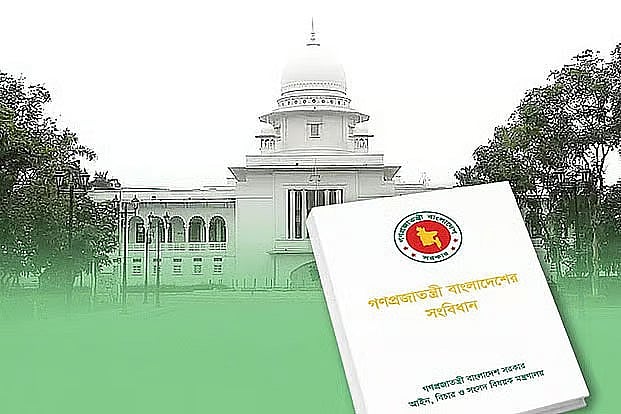
Although the caretaker government system has been reinstated by the Appellate Division's ruling, questions persist regarding certain aspects of its formation. The Appellate Division's decision has brought back the concept of a non-partisan government structure. However, the specifics of how this system will be implemented and function are still subject to debate and scrutiny. This implies that while the principle has been accepted, the practicalities are yet to be fully ironed out. The ruling suggests a partial return to the previous system, leaving room for further discussion and potential adjustments. The exact scope and limitations of the reinstated provisions are unclear. This situation indicates that the legal framework for the caretaker government is not yet complete. Further legislative or judicial actions may be required to address the remaining ambiguities. The public and political stakeholders will be watching closely as these details are clarified.
The Appellate Division's ruling on the caretaker government system signifies a complex interplay between judicial interpretation and constitutional governance. While the reinstatement of the system addresses a specific political demand, the lingering questions highlight potential structural challenges in its implementation. The ambiguity surrounding its formation suggests a need for clear legislative frameworks to prevent future disputes and ensure the system's neutrality. This situation prompts consideration of the long-term implications for democratic stability and the balance of power between different state institutions. The focus should be on establishing robust, transparent mechanisms that uphold the principles of fair elections and public trust, rather than relying on ad-hoc or contested arrangements.
AI-generated to prompt reflection — not editorial opinion, not advice, not a statement of fact. How this works.