Caribbean Cities Swelter Under Extreme Heat, Reaching 40°C
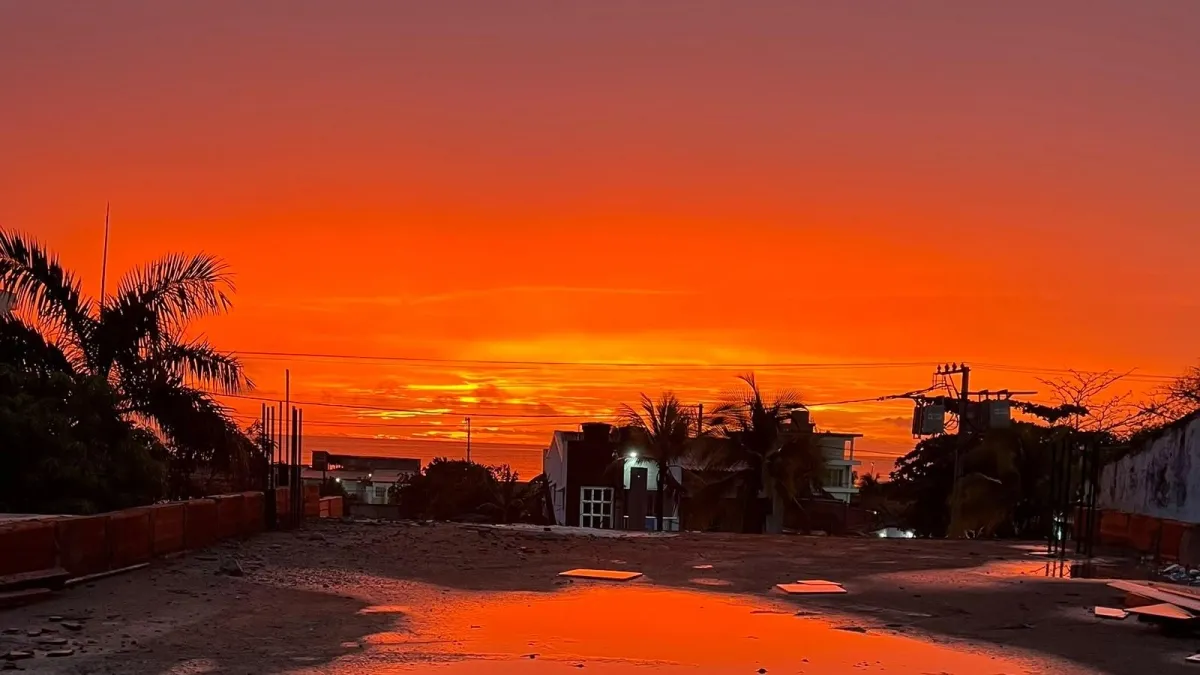
Several cities in Colombia's Caribbean region are experiencing intense heat, with Valledupar and Cartagena recording thermal sensations of 40 degrees Celsius. In response to the severe heatwave, the city of Santa Marta has officially declared a public calamity. This declaration highlights the extreme conditions and the need for emergency measures to protect the population. The heat poses significant risks, particularly to vulnerable groups. These include the elderly, young children, pregnant women, individuals with obesity, and those suffering from chronic illnesses. These populations are at a higher risk of developing heat-related health complications. Authorities are urging residents to take precautions to stay safe during this period of extreme temperatures.
The extreme heatwave impacting Colombia's Caribbean coast underscores the growing vulnerability of urban centers to climate change. As global temperatures rise, cities like Valledupar, Cartagena, and Santa Marta face increased risks of heat-related health crises and infrastructure strain. The declaration of public calamity in Santa Marta signifies a critical point where adaptive capacity is being tested, necessitating immediate public health interventions and long-term urban planning strategies. This event prompts consideration of how urban design, green infrastructure, and public health systems can be enhanced to mitigate future heat risks, particularly for the most susceptible populations, in an era of intensifying climate volatility.
AI-generated to prompt reflection — not editorial opinion, not advice, not a statement of fact. How this works.