Carla Simón Explores Family Trauma and the Unreliability of Memory
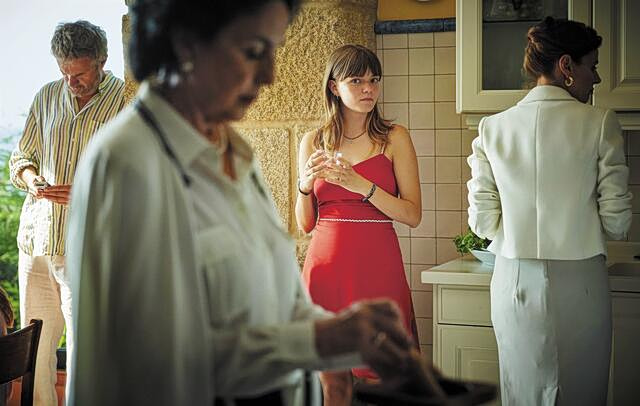
Catalan director Carla Simón, known for her work in cinema, discusses her latest film, 'Romería'. The movie delves into her personal family trauma, but Simón uses this as a springboard to pose a universal question: how much do we truly know about our parents? The film touches upon the complexities of memory and the often-unreliable nature of personal recollections, especially concerning our closest family members. Simón's exploration suggests that our understanding of our parents' lives and experiences may be incomplete or even inaccurate, shaped by the passage of time and the subjective nature of memory. The director's personal journey through her own family history informs this broader inquiry into the nature of truth and remembrance within familial contexts. 'Romería' invites audiences to reflect on their own relationships and the stories they hold about their families.
Carla Simón's 'Romería' prompts a reflection on the subjective and often fallible nature of familial memory. The film's exploration of personal trauma through the lens of parental recollection highlights how individual narratives can be shaped by time, perspective, and the inherent limitations of human memory. This raises questions about the construction of personal and collective histories, particularly within family structures. In an era increasingly focused on data and verifiable facts, Simón's work serves as a powerful reminder of the emotional and psychological dimensions that underpin our understanding of the past. The film encourages a critical examination of inherited narratives and the potential for reinterpreting family legacies through a more nuanced understanding of memory's complexities.
AI-generated to prompt reflection — not editorial opinion, not advice, not a statement of fact. How this works.