Carlos Bastos, pioneering journalist and political commentator, dies at 92
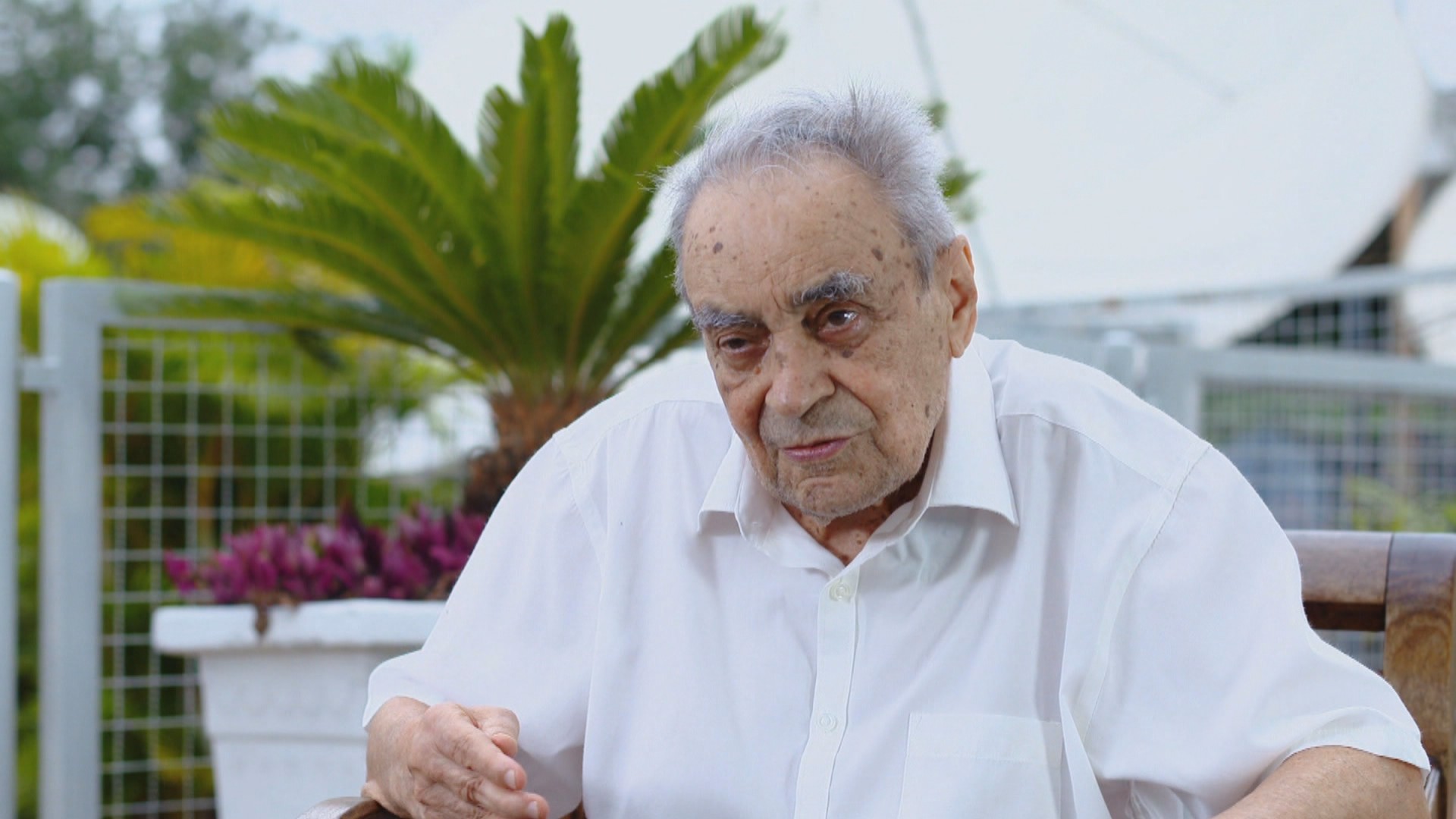
Carlos Henrique Esquivel Bastos, a distinguished Brazilian journalist with nearly seven decades of experience, passed away on Tuesday, the 21st, in Porto Alegre, Rio Grande do Sul, at the age of 92. His family confirmed his death, though the cause was not disclosed. Born on July 25, 1934, in Passo Fundo, Bastos began his career in 1955 at the newspaper "O Clarin" in Porto Alegre. Throughout his extensive career, he contributed to various newspapers, radio stations, and television networks, becoming a notable figure in covering the politics of Rio Grande do Sul and Brazil.
Bastos's political reporting included presidential campaigns, state governments, and institutional crises. He covered the 1961 Campaign for Legality from within the Piratini Palace and interacted with prominent political figures such as Getúlio Vargas, João Goulart, and Leonel Brizola. He held significant roles, including chief of reporting for Zero Hora newspaper and Rádio e TV Gaúcha, where he led journalism and sports departments, and was involved in the launch of Jornal Nacional in 1969. Bastos also served in public office as Superintendent of Social Communication for the Legislative Assembly of Rio Grande do Sul and Secretary of Communication under Governor Alceu Collares. Colleagues lauded him as a "master of masters," emphasizing his commitment to journalistic independence and the essential role of democracy in communication. Beyond his professional life, Bastos was a supporter of the Grêmio football club and received honorary citizenship in Porto Alegre, Itacurubi, and Passo Fundo.
The passing of Carlos Bastos marks the end of an era for Brazilian political journalism, particularly in Rio Grande do Sul. His long career, spanning significant political shifts and the evolution of media technology, highlights the enduring importance of experienced reporters in contextualizing complex events. Bastos's emphasis on journalistic independence and the foundational role of democracy in media serves as a crucial reminder in an age of increasing information fragmentation and potential manipulation. His multifaceted engagement, from covering crises to receiving public service appointments and even engaging with sports and advertising, illustrates the broad impact a dedicated journalist can have. Examining his career through the lens of the next decade, his legacy underscores the need for robust, independent journalism capable of navigating the challenges posed by AI-driven content and evolving public discourse, ensuring informed citizenship remains paramount.
AI-generated to prompt reflection — not editorial opinion, not advice, not a statement of fact. How this works.