Carlos Bezerra Sentenced to 36 Years for Double Murder in Cuiabá
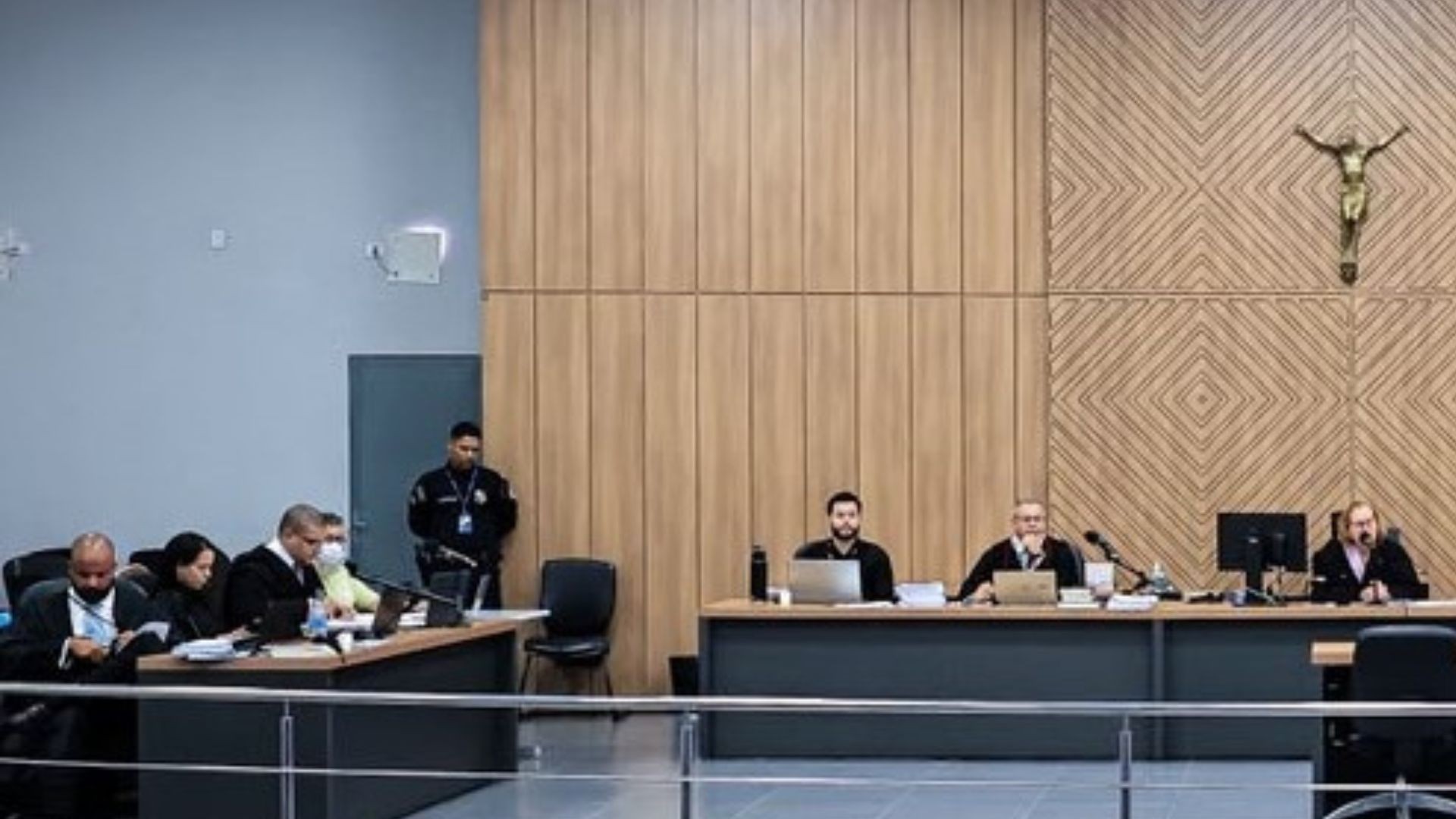
A jury in Cuiabá has sentenced Carlos Alberto Gomes Bezerra to 36 years in prison for the murders of his ex-partner, Thays Machado, and her boyfriend, Willian César Moreno. The crime occurred in January 2023, and the trial concluded over three years later on Friday, March 31st. Bezerra, the son of former federal deputy Carlos Bezerra, confessed to the killings. The prosecution presented the murders as feminicide against Machado, motivated by the end of their relationship, and as qualified homicide against Moreno. Both victims were killed using a semi-automatic pistol in broad daylight in a busy urban area. The court recognized aggravating factors including base motive, cruel methods, and actions that hindered the victims' defense. Bezerra's defense team attempted multiple times to postpone the trial, citing insufficient access to case documents and requesting a mental health evaluation for the defendant. They argued for an insanity plea based on alleged psychiatric disorders and morbid jealousy, a condition suggested by a forensic psychiatrist. However, the judge denied these requests, maintaining Bezerra's pretrial detention and refusing him the right to appeal while at liberty. The judge also mandated that public defenders would only intervene if private counsel abandoned the case during the proceedings.
The conviction of Carlos Alberto Gomes Bezerra for the double homicide highlights the legal system's response to crimes motivated by interpersonal conflict and jealousy. While the court has rendered its judgment, the defense's persistent attempts to delay proceedings and introduce mental health evaluations suggest underlying complexities regarding the defendant's state of mind and the evidence presented. Future legal frameworks may need to more efficiently integrate mental health assessments within trial timelines, balancing the pursuit of justice with due process. This case underscores the societal challenge of addressing domestic violence and gender-based crimes, emphasizing the need for robust support systems and preventative measures, particularly in contexts involving relationship dissolution and perceived slights.
AI-generated to prompt reflection — not editorial opinion, not advice, not a statement of fact. How this works.