Carnac: Future Prehistory Museum Project May Relocate Near Megalithic Alignments
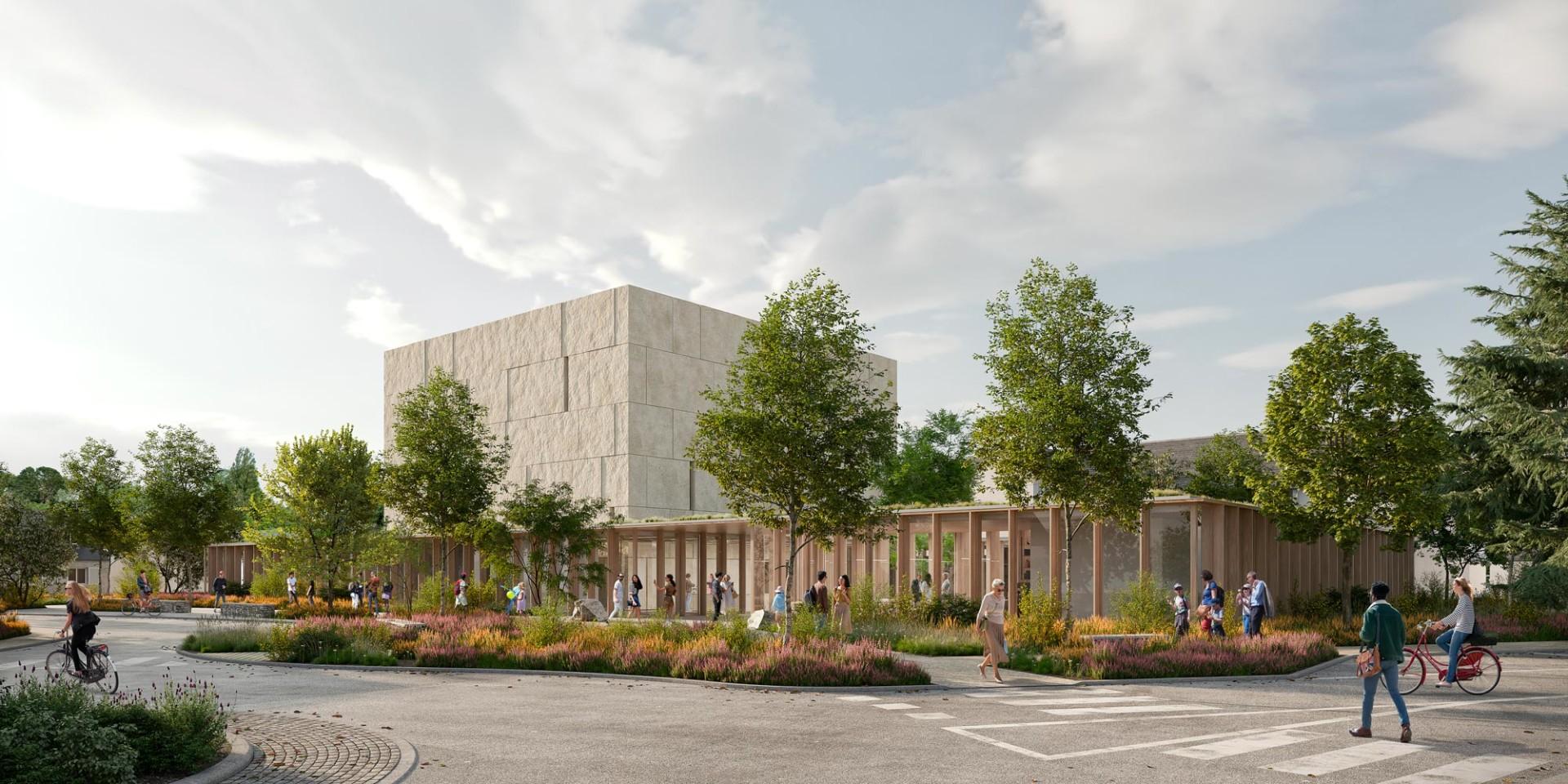
The future museum of Prehistory in Carnac, France, faces a potential relocation following the recent municipal elections. The new mayor is considering moving the project, which was abruptly halted after the elections, to a site closer to the famous megalithic alignments. This proposed shift has drawn criticism from opponents who argue it represents a legal and architectural non-sequitur. Their concerns are amplified by the fact that the area was inscribed as a UNESCO World Heritage site only a year ago. The original plan for the museum was already underway, but the new administration is re-evaluating its location. The debate highlights a conflict between the desire for a new cultural facility and the preservation of a globally significant historical landscape. The opposition emphasizes the importance of respecting the UNESCO designation and the integrity of the archaeological site.
The proposed relocation of the Carnac Prehistory Museum project, following a change in municipal leadership and shortly after a UNESCO World Heritage inscription, raises questions about governance and long-term planning. Shifting a significant cultural infrastructure project necessitates a thorough review of legal frameworks, architectural feasibility, and environmental impact assessments, especially concerning a site of such historical and global importance. The tension between local development initiatives and international heritage preservation mandates underscores the complex balancing act faced by communities with unique historical assets. Future decisions should prioritize transparent public consultation and evidence-based planning to ensure projects align with both community needs and global heritage standards, mitigating potential conflicts and safeguarding the site's integrity for the long term.
AI-generated to prompt reflection — not editorial opinion, not advice, not a statement of fact. How this works.