Carnivorous Plant in China Validates 150-Year-Old Darwinian Theory
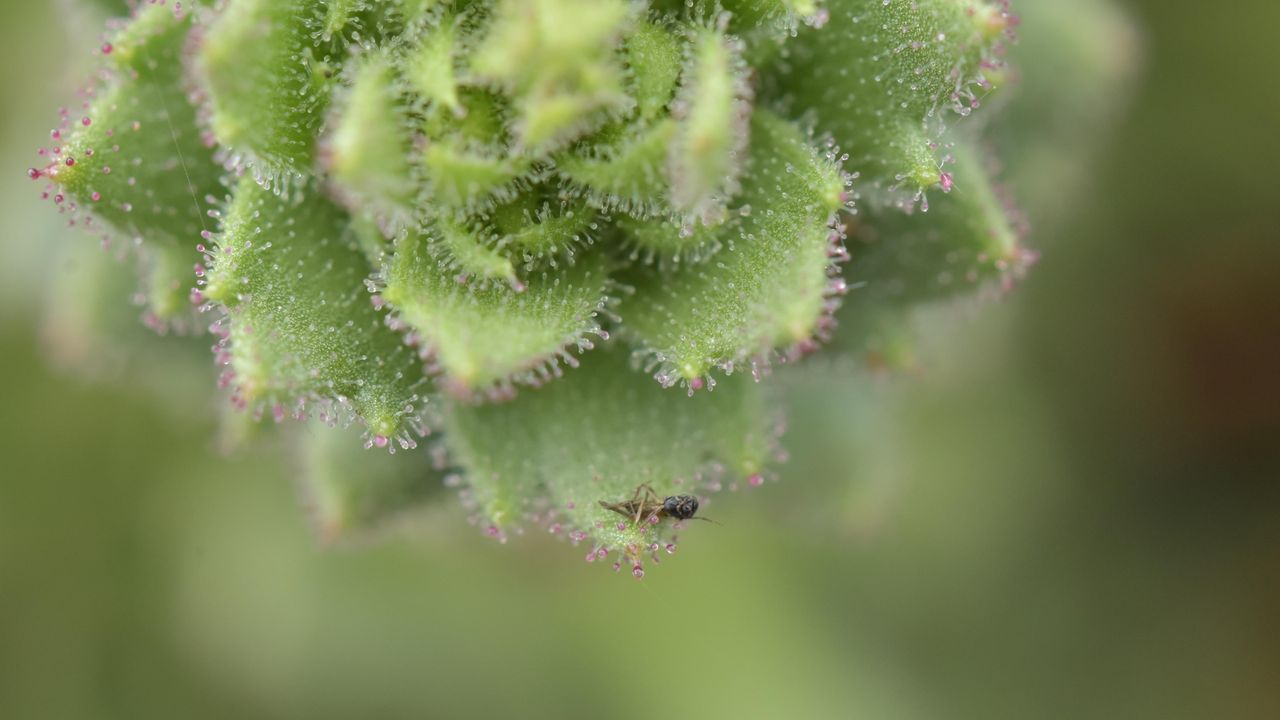
Scientists have confirmed that a plant species found in the alpine regions of southwest China exhibits carnivorous behavior. This discovery provides significant support for a theory proposed by Charles Darwin in 1875, which posited that plants might evolve to capture and digest insects. The research validates Darwin's hypothesis, demonstrating that his evolutionary insights extended to the plant kingdom's predatory adaptations. This finding reinforces the understanding of evolutionary processes and the diverse strategies organisms employ for survival and resource acquisition. The identification of this carnivorous plant adds a concrete example to the scientific evidence supporting Darwin's groundbreaking work on natural selection and adaptation.
This discovery highlights the enduring relevance of Darwin's foundational theories in evolutionary biology, even 150 years later. The identification of a new carnivorous plant species in China underscores the ongoing potential for novel biological findings in under-explored regions. It prompts consideration of how environmental pressures in alpine ecosystems may drive such specialized adaptations. Future research could explore the specific ecological niche this plant occupies and its interactions within its habitat, offering insights into biodiversity and evolutionary pathways.
AI-generated to prompt reflection — not editorial opinion, not advice, not a statement of fact. How this works.
