Carnivorous Plants Discovered: Saxifraga Species Found to Eat Insects
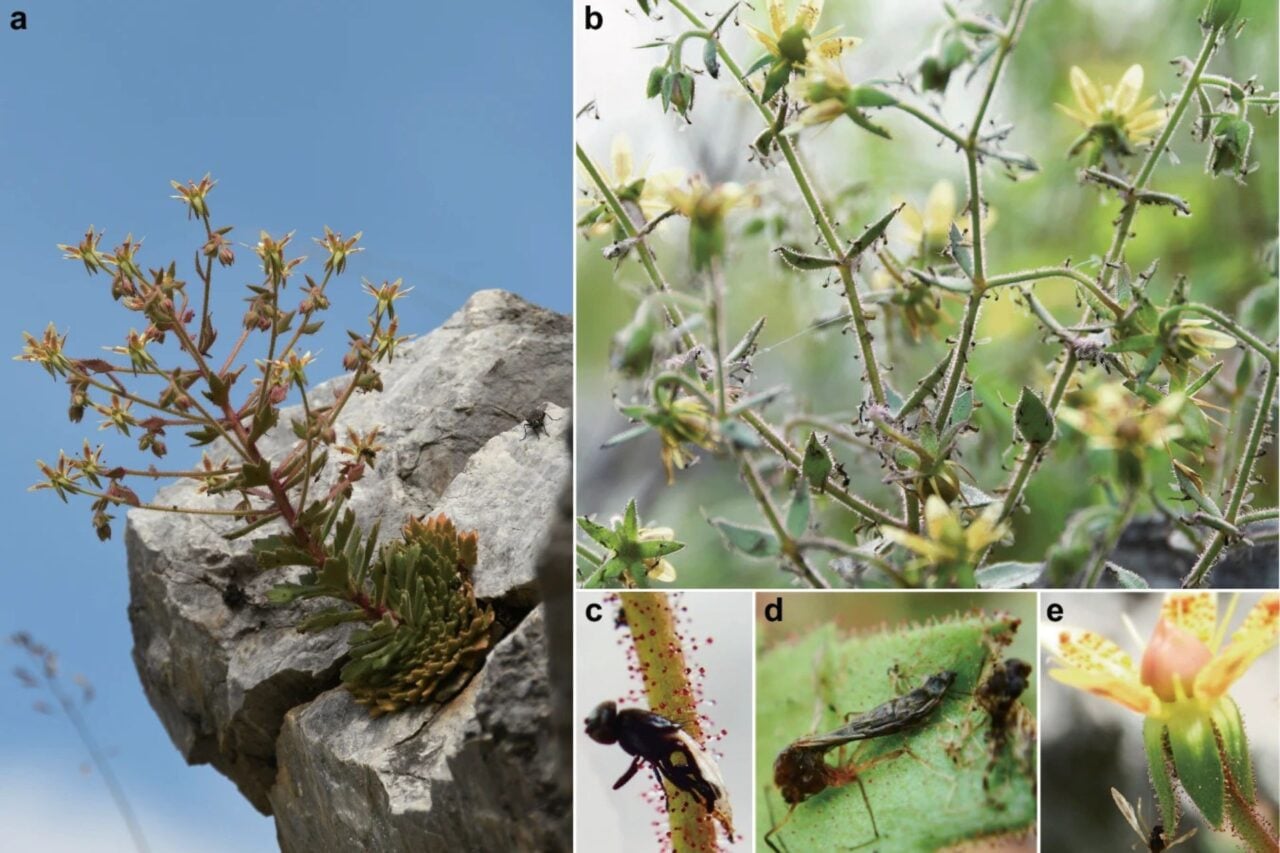
Recent scientific findings suggest that certain species of Saxifraga plants possess carnivorous traits, actively consuming insects. This behavior, long theorized, has now been substantiated by new research. The discovery aligns with observations made by Charles Darwin approximately 150 years ago, who had speculated about the possibility of such plant adaptations. While the exact mechanisms and extent of insect consumption are still under investigation, this revelation adds a new dimension to our understanding of plant biology and ecological interactions. Saxifraga plants, commonly found in alpine and rocky environments, may be supplementing their nutrient intake through predation, a strategy that could provide a survival advantage in nutrient-poor soils. Further studies are expected to delve deeper into the digestive processes and the types of insects targeted by these remarkable plants.
This discovery highlights the ongoing evolution of plant strategies for survival in diverse environments. The confirmation of carnivorous behavior in Saxifraga plants, predicted by Darwin, underscores the power of long-term scientific observation and hypothesis testing. It suggests that even well-studied plant families may harbor undiscovered adaptive mechanisms. This finding could prompt a re-evaluation of plant classification and ecological roles, particularly in nutrient-limited habitats. Future research may explore the genetic basis for carnivory and its potential implications for understanding plant-insect co-evolutionary dynamics over the next decade.
AI-generated to prompt reflection — not editorial opinion, not advice, not a statement of fact. How this works.
