Cars with Tampered Odometers Cost 21% More in Hungary
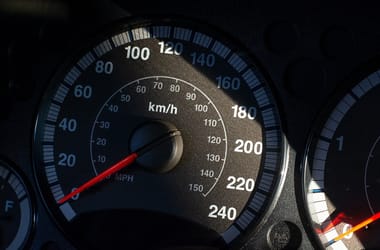
In Hungary, vehicles with rolled-back odometers are typically sold at prices approximately 21% higher than their true value. This practice involves odometer tampering, where the mileage is artificially reduced to inflate the car's perceived worth. Consumers are unknowingly paying a significant premium for vehicles that have been driven far more than indicated. The average rollback appears to be around 50,000 kilometers. This situation creates an unfair market where honest sellers are disadvantaged, and buyers are misled. The discrepancy in pricing highlights a serious issue of consumer fraud within the Hungarian used car market. Addressing this problem requires stricter regulations and enforcement to protect buyers from deceptive practices and ensure fair market conditions. The inflated prices not only harm individual consumers but also erode trust in the automotive sales industry as a whole. This practice can lead to unexpected repair costs for buyers who purchase high-mileage vehicles misrepresented as having lower mileage.
The prevalence of odometer tampering in Hungary's used car market, leading to a 21% price inflation for misrepresented vehicles, indicates a significant market failure. This practice exploits information asymmetry, where sellers possess crucial data about a car's actual usage that buyers lack. Such deception not only defrauds consumers but also undermines the integrity of the entire used car ecosystem, potentially discouraging legitimate transactions. Future market health may depend on technological solutions for immutable mileage recording and robust regulatory oversight to deter fraudulent practices and foster buyer confidence.
AI-generated to prompt reflection — not editorial opinion, not advice, not a statement of fact. How this works.