Caruaru Decree Regulates Freight, But Passenger Transport Operators Say It Fails to Resolve Impasse
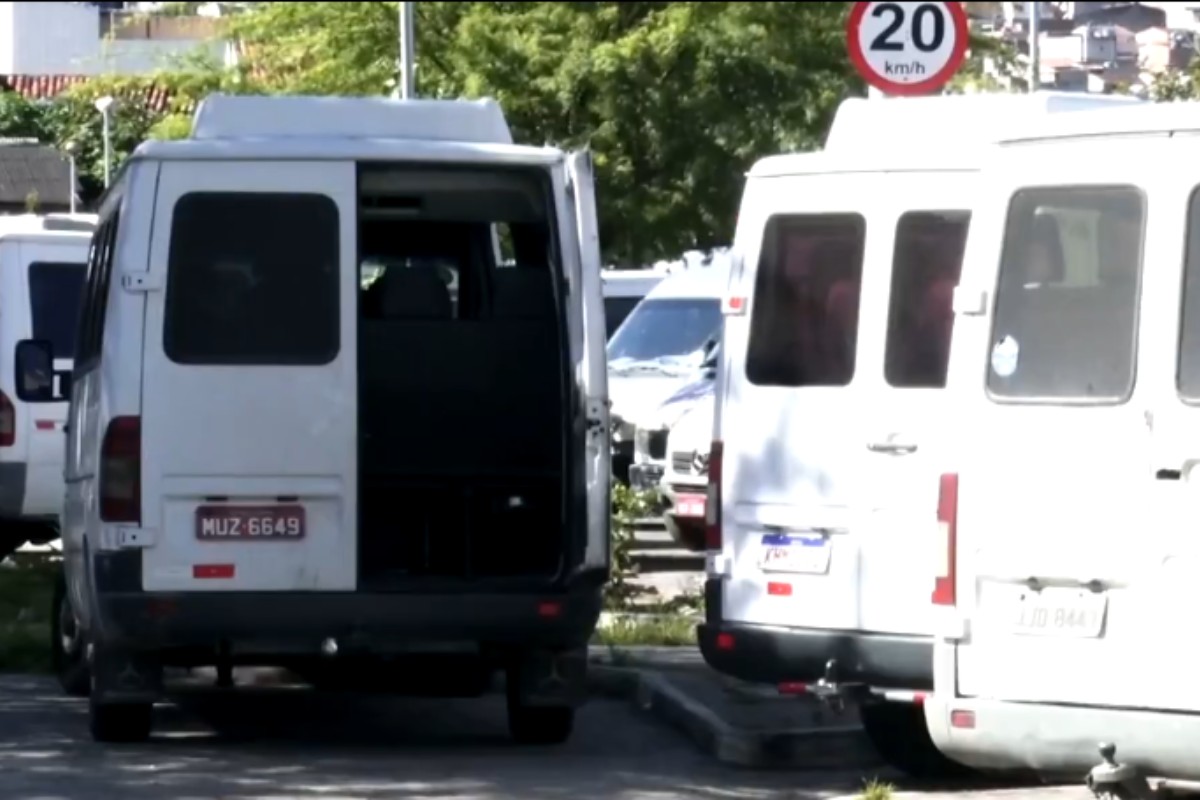
The Caruaru City Hall has issued Decree No. 064, dated July 23, 2026, which establishes regulations for private freight, hauling, remunerated small cargo transport, moving services, and related activities within the municipality. However, representatives of passenger transport operators, known as 'loteiros,' argue that this decree does not address their primary demand: a solution for the resumption of remunerated passenger transport services. The decree specifically governs vehicles used for cargo transport, including pickup trucks, utility vehicles, vans, and Toyota Bandeirante-type vehicles. It also outlines service provision rules, vehicle and driver requirements, and enforcement by the Caruaru Mobility Authority (AMC).
Permitted activities under the new decree include freight services, hauling, moving, and transporting small cargo, equipment, furniture, merchandise, and general goods. It also allows for the transport of the cargo owner, the contractor, and their companions, provided it does not alter the primary nature of the cargo transport service. Crucially, Article 6 explicitly prohibits collective or individual remunerated passenger transport, soliciting passengers on public roads, establishing pick-up points, and operating routes similar to urban public transport. João Chaves, a representative of the 'loteiros,' stated that the decree exclusively regulates cargo transport, not the passenger transport that his category undertakes, thus failing to meet their demands. He also criticized the restrictions on passenger transport and pick-up points.
Chaves emphasized that a definitive solution would involve the Executive Branch submitting a bill to the Municipal Chamber for legal regulation, to be discussed with the legislative branch, the public, and complementary transport professionals. However, the President of the City Council, Bruno Lambreta, indicated that the City Hall responded to a recent request for such a bill by stating it was not possible at this time due to existing court decisions, public transport concession contracts, and current legislation. Lambreta clarified that Decree 055 of 2025, which permits alternative transport where public bus services are unavailable, remains the governing legislation for alternative passenger transport, and the new decree specifically addresses freight services.
The Caruaru City Hall's decree on freight services, while seemingly addressing a regulatory gap, has inadvertently highlighted a persistent conflict between cargo transport regulations and the operational needs of passenger transport providers. The 'loteiros' perceive the decree as a deliberate sidestep of their core issue—passenger transport—and a reinforcement of existing prohibitions. Their demand for a municipal bill signifies a desire for greater legal certainty and a structured dialogue involving multiple stakeholders, including established bus companies. The City Hall's response, citing judicial decisions and existing contracts, suggests a complex legal and contractual landscape that may currently preclude the type of broad regulatory change the 'loteiros' seek. This situation illustrates a common challenge in urban mobility: balancing diverse transport needs, existing infrastructure, and evolving legal frameworks, particularly in the context of informal or alternative transport sectors seeking formal recognition and stability.
AI-generated to prompt reflection — not editorial opinion, not advice, not a statement of fact. How this works.