Casa de Farinha Uses Tons of Cassava for Tapioca and Beiju at Expocrato
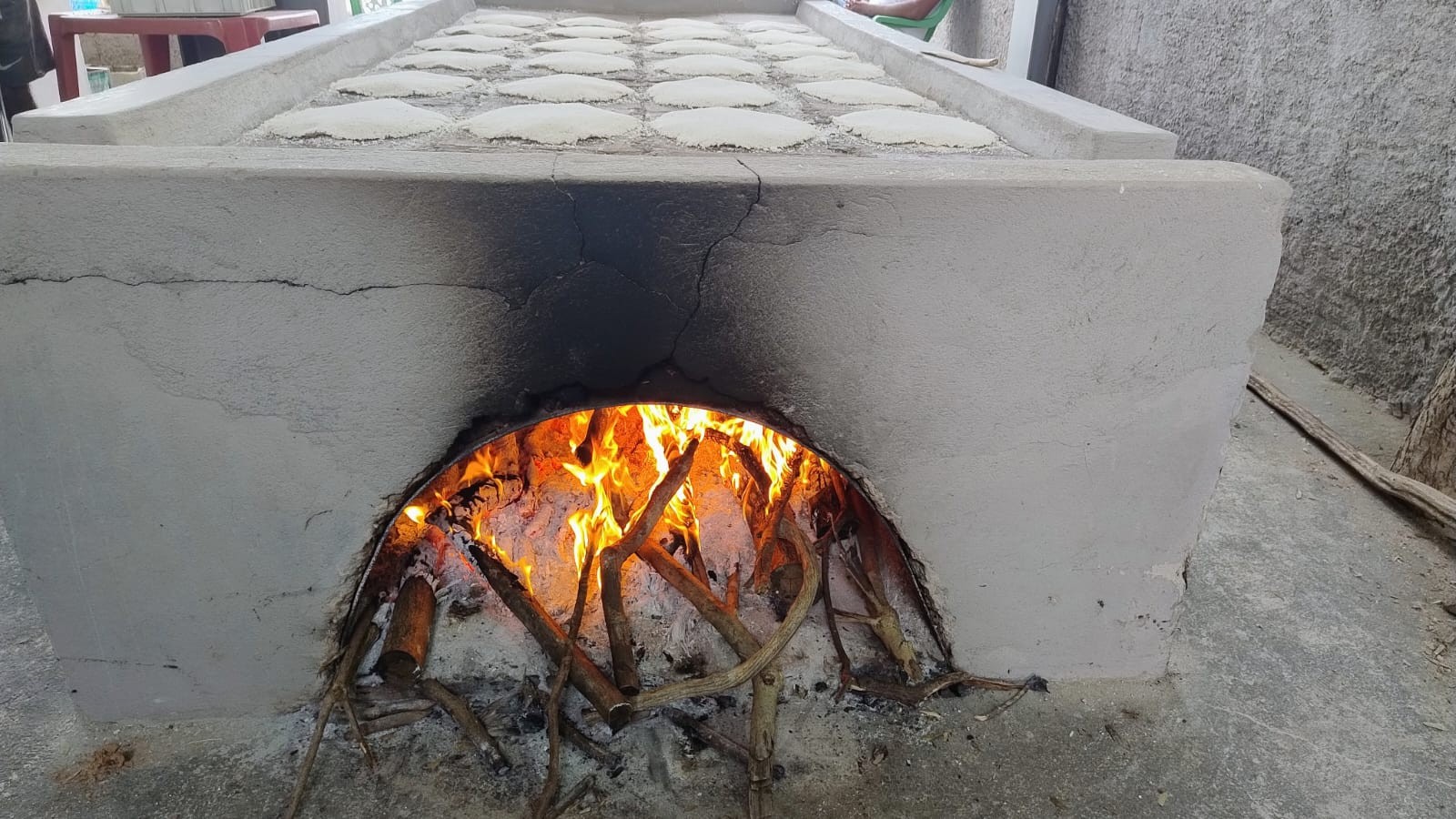
The Casa de Farinha (Flour House) is a highly popular attraction at the Expocrato agricultural exhibition in Crato, Cariri region, Brazil, drawing large crowds daily. The event, which runs until Sunday, July 19th, features the preparation and sale of tapiocas and beijus, traditional Brazilian snacks made from cassava. Visitors can already smell the delicious aromas from a distance, and queues are consistently long, regardless of the time of day. The stall opens its doors to customers at 7 AM, but its dedicated staff of around 40 people arrive much earlier, at 5 AM, to begin preparations. The primary ingredient, cassava, is sourced from the Malhada farm in the Ponta da Serra district of Crato, where it is processed and then transported to the exhibition grounds. This year's sales are projected to exceed last year's figures, with an estimated 22 to 23 tons of cassava and approximately 250 bags of dried starch to be used. José Agostinho, a participant, expressed pride in the tradition, noting that the venture has significantly improved their lives and gained international recognition for their products. The Casa de Farinha offers traditional tapioca and beiju with flavors like natural, coconut, and peanut, with a popular mixed flavor combination this year. Prices for beiju range from R$15 to R$18, depending on the filling. The stall operates daily until 9 PM, potentially extending based on customer demand. Visitors like retired teacher Maria Salete Pereira da Silva and professor Dalva Martins travel from other areas, including Goiás and Barro, specifically to purchase these traditional treats, highlighting their enduring appeal and connection to regional identity.
The Casa de Farinha's success at Expocrato demonstrates the enduring market appeal of traditional food products rooted in local agriculture. The operation's scale, requiring significant logistical coordination from sourcing raw materials to managing on-site sales, highlights the economic potential of heritage food businesses. As consumer interest in authentic culinary experiences grows globally, such ventures can leverage their cultural capital for expansion. However, reliance on specific agricultural yields and event-driven demand presents inherent vulnerabilities. Future strategic planning might involve diversifying sales channels beyond seasonal exhibitions and exploring value-added products to ensure sustained growth and resilience against supply chain fluctuations or changing consumer preferences in the digital age.
AI-generated to prompt reflection — not editorial opinion, not advice, not a statement of fact. How this works.