Cassava Peels Recycled into Eco-Friendly Construction Material
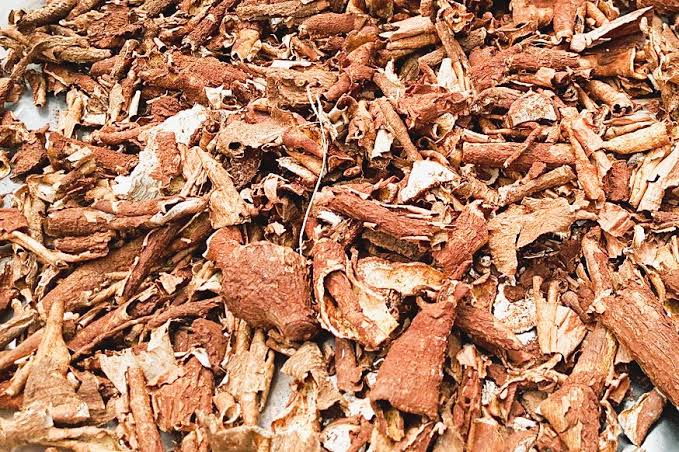
Cassava peels, once discarded as agricultural waste, are being repurposed into an environmentally friendly construction material. This innovation aims to reduce the global reliance on cement and subsequently lower building costs. The initiative is being implemented through a two-week sustainable construction training program. This program is taking place in Mhaga Village, located in the Kisarawe District of the Coast Region. The training focuses on transforming cassava waste into a viable and useful building material. This development offers a promising alternative for the construction industry, potentially leading to more sustainable and affordable building practices.
This initiative highlights a potential shift towards circular economy principles within the construction sector, transforming agricultural byproducts into valuable resources. By developing alternatives to traditional cement, which has a significant carbon footprint, this innovation addresses environmental concerns and could democratize access to building materials in regions where cement is costly. Future developments may explore the scalability of this process, its long-term durability compared to conventional materials, and its economic viability for widespread adoption. The success of such programs hinges on effective knowledge transfer and the integration of these new materials into existing building codes and practices.
AI-generated to prompt reflection — not editorial opinion, not advice, not a statement of fact. How this works.