Cassiopeia: The Queen Constellation Visible in Autumn and Winter
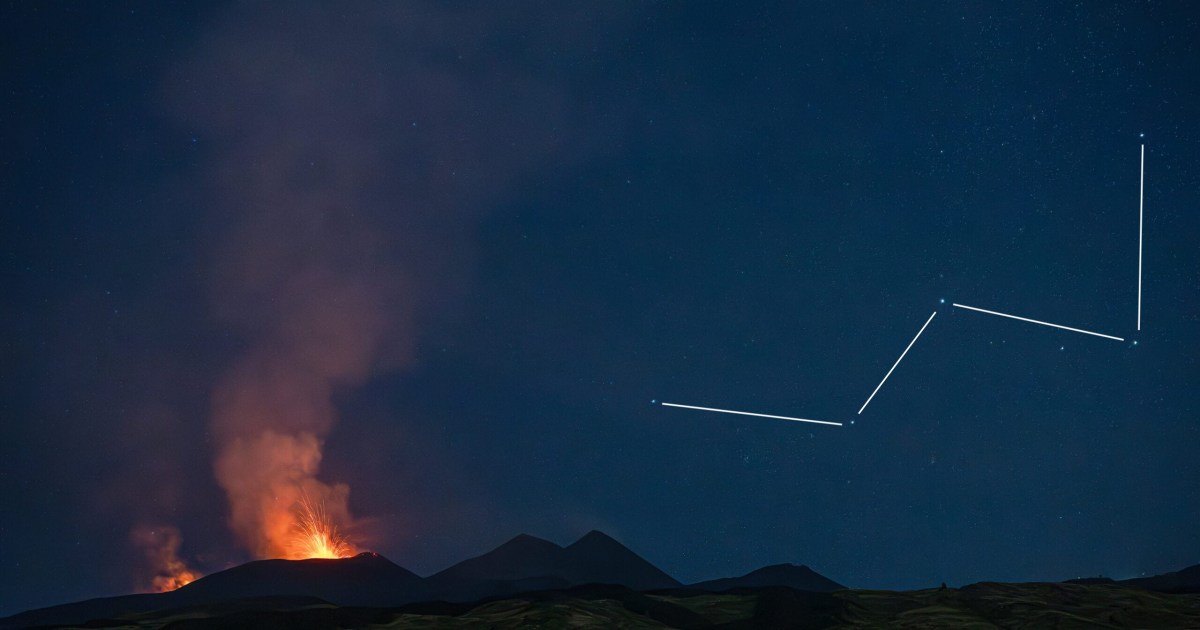
Cassiopeia, often referred to as "the Queen," is a prominent constellation easily recognizable by amateur astronomers. Its five brightest stars form a distinctive 'W' shape, known as an asterism. This celestial pattern makes it one of the first constellations many people learn to identify in the night sky. Cassiopeia is particularly visible during the autumn and winter months across the Northern Hemisphere. Its position in the sky is opposite the Sun, making it observable during these seasons. The constellation's familiar shape and seasonal visibility contribute to its popularity among stargazers.
The visibility of Cassiopeia, a well-known constellation, highlights the enduring human connection to celestial observation. As astronomical tools become more sophisticated, public engagement with basic constellations like Cassiopeia serves as a foundational element for broader scientific literacy. This accessibility offers a low-barrier entry point for individuals to explore astronomy, potentially fostering interest in more complex scientific fields. The seasonal appearance of such celestial markers also provides a consistent, natural rhythm that can be integrated into educational curricula, reminding us of the predictable yet awe-inspiring nature of the cosmos.
AI-generated to prompt reflection — not editorial opinion, not advice, not a statement of fact. How this works.