Cat Thrown From Moving Car in Brazil, Chases Vehicle, and Is Run Over
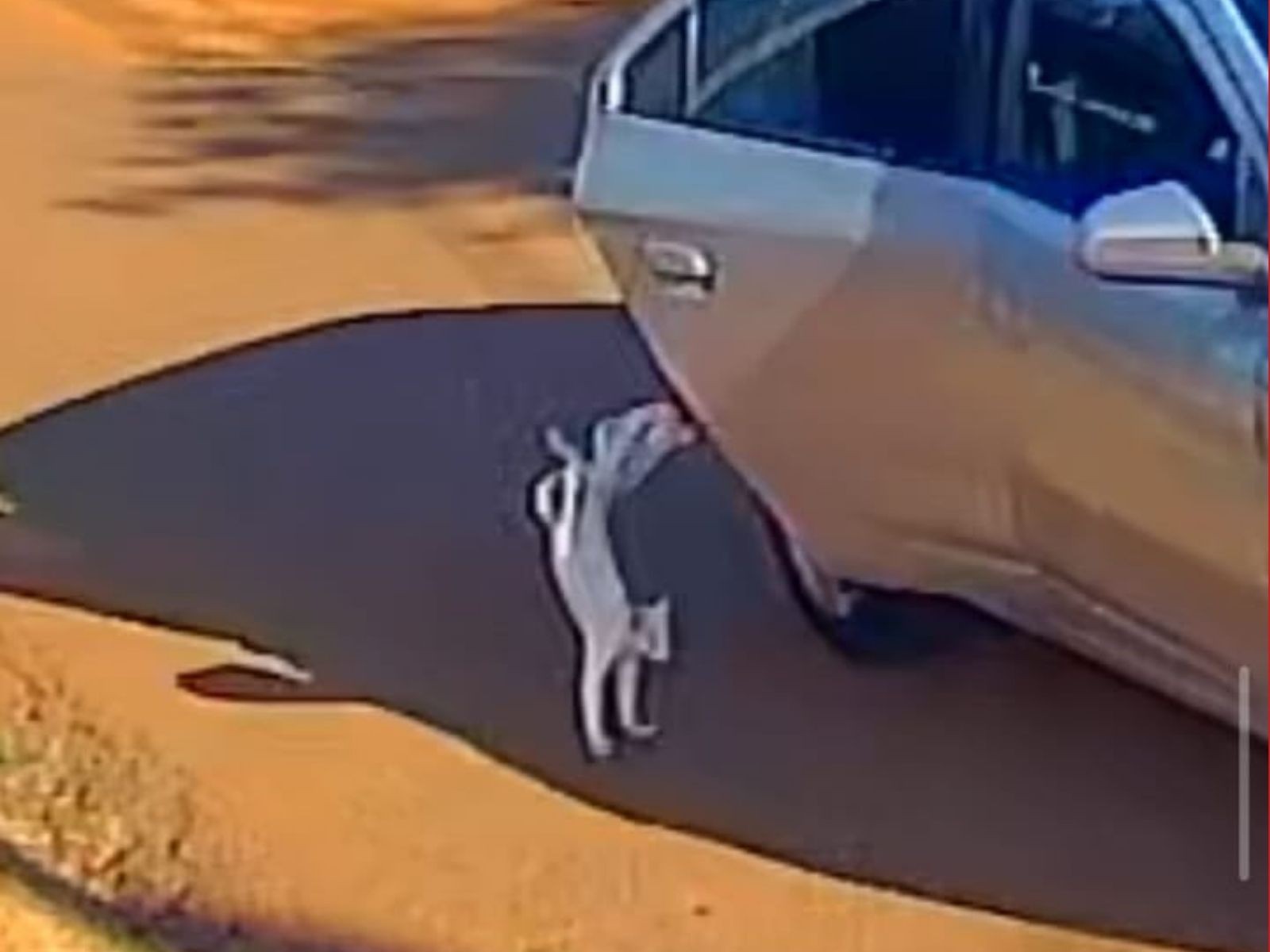
A white kitten was killed in Rio Branco, Brazil, on Thursday morning, May 30th, after being thrown from a moving car. Security cameras captured the incident in the Conjunto Paulo César neighborhood, showing a person in the back seat opening the door and abandoning the animal on the street. The frightened cat ran after the vehicle, only to be struck by a rear wheel. The distressing images of the abandonment were shared online, sparking public outrage. The driver of the car was identified and arrested by the Civil Police, then taken to the Delegacia de Flagrantes (Defla) in Rio Branco. Animal abandonment is a crime under Brazil's Environmental Crimes Law (Law No. 9.605/98, Article 32), punishable by two to five years in prison, a fine, and future prohibition from owning animals. A local resident, who requested anonymity, discovered the deceased cat in front of his home after being alerted by a neighbor and reviewing security footage. He described witnessing the car slow down as the cat was ejected, then the animal's desperate attempt to follow the vehicle before being fatally hit by a rear tire.
This incident highlights the severe consequences of animal cruelty and abandonment, which are increasingly being recognized as criminal offenses with legal repercussions. The rapid dissemination of the event through social media demonstrates the power of digital platforms in galvanizing public opinion and facilitating swift action by law enforcement. From a systemic perspective, the case underscores the need for robust animal welfare legislation and enforcement mechanisms, as well as public education campaigns to foster empathy and responsible pet ownership. Looking ahead, the integration of surveillance technology, as seen in this instance, offers potential for deterring and documenting such acts, contributing to a more accountable society. However, it also raises broader questions about privacy and the ethical use of surveillance data.
AI-generated to prompt reflection — not editorial opinion, not advice, not a statement of fact. How this works.