Cat Undergoes Acupuncture in China After Falling 20 Stories, Recovers Movement
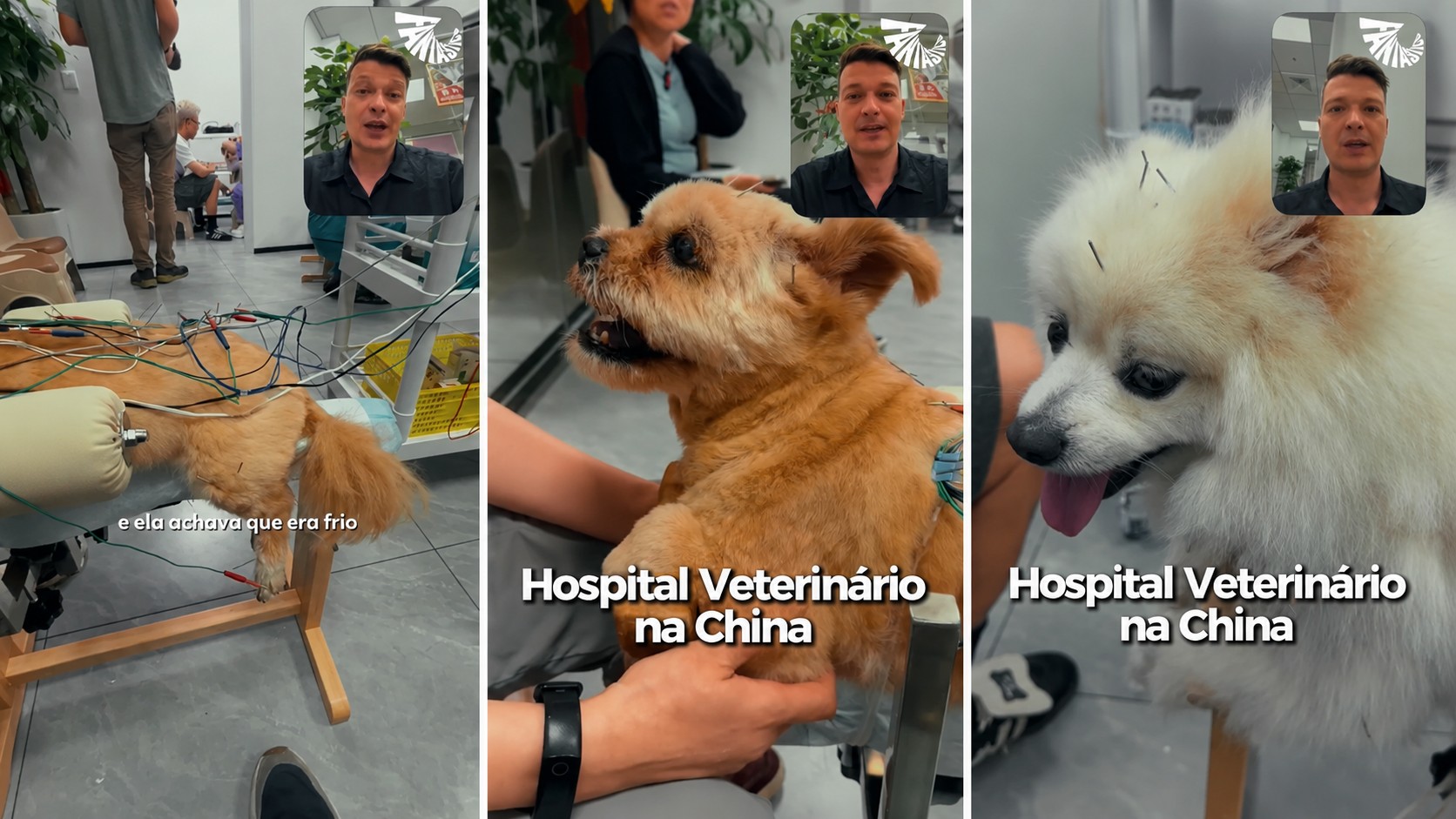
A recent report on Brazil's "Fantástico" program highlighted the growing use of traditional Chinese medicine (TCM) for pets in China, a trend coinciding with a rise in pet ownership and a decline in the birth rate. Correspondent Marcos Losekann visited a veterinary hospital in Shanghai to observe these treatments. Among the cases featured was a cat that survived a 20-story fall and is now receiving acupuncture sessions to regain movement in its hind legs. Another patient was a dog undergoing treatment for epilepsy using TCM methods. The report also touched upon the evolving demographics of Chinese families, who are increasingly choosing to adopt cats and dogs as the country's birth rate continues to fall. The full segment aired on "Fantástico" on Sunday, November 12th, on TV Globo. This growing integration of TCM in veterinary care reflects broader societal shifts in China, where pets are becoming significant companions.
The increasing adoption of traditional Chinese medicine for companion animals in China, as highlighted by the case of the cat and dog, reflects a confluence of demographic shifts and evolving cultural values. As the human birth rate declines, pets are increasingly filling familial roles, driving demand for advanced and alternative veterinary care. This trend suggests a growing market for TCM-based veterinary services, potentially influenced by both cultural heritage and a search for holistic treatment options. The integration of such practices into veterinary medicine warrants attention regarding efficacy, standardization, and regulatory oversight in the coming years, particularly as human-AI interaction in healthcare advances.
AI-generated to prompt reflection — not editorial opinion, not advice, not a statement of fact. How this works.