Catalan Government Acknowledges Slowdown in Rental Market After Price Caps
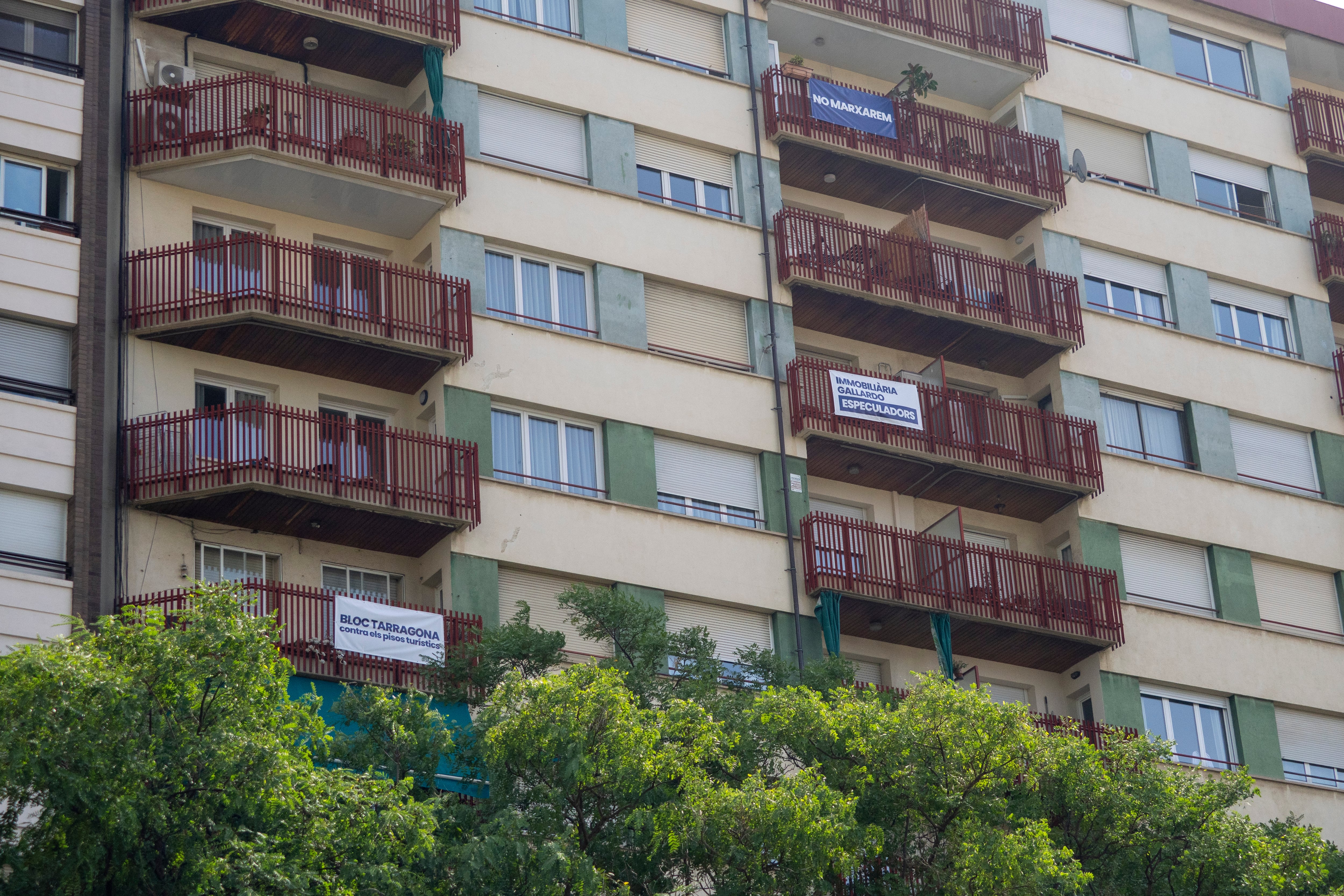
The Catalan government, through its Ministry of Economy, has admitted to a noticeable "loss of dynamism" in the rental market following the implementation of maximum price regulations. An internal report from the Ministry of Economy indicates that a portion of the rental supply has shifted towards short-term vacation rentals and the renting of individual rooms. This suggests that property owners may be seeking alternative, potentially more lucrative, rental arrangements in response to the price controls. The report's findings highlight a complex interplay between regulatory measures and market behavior, as landlords adapt to new economic conditions. The government's acknowledgment signals a potential need to reassess the effectiveness and unintended consequences of the price-fixing policy. Further analysis will be required to understand the full impact on housing availability and affordability in Catalonia.
The implementation of maximum rental prices, while intended to improve housing affordability, appears to be creating market distortions. The observed shift towards short-term rentals and room rentals suggests that property owners are optimizing for profitability under the new regulatory regime. This dynamic can reduce the availability of long-term rental units, potentially exacerbating the very affordability issues the policy aimed to solve. Future policy considerations might need to address these adaptive behaviors by landlords, perhaps through broader regulatory frameworks that encompass various rental types or by exploring incentives for long-term rental provision. Understanding these market responses is crucial for developing sustainable housing solutions in the evolving economic landscape.
AI-generated to prompt reflection — not editorial opinion, not advice, not a statement of fact. How this works.