Catalan Political Rivalry: Puigdemont Silent, Junqueras in Spotlight
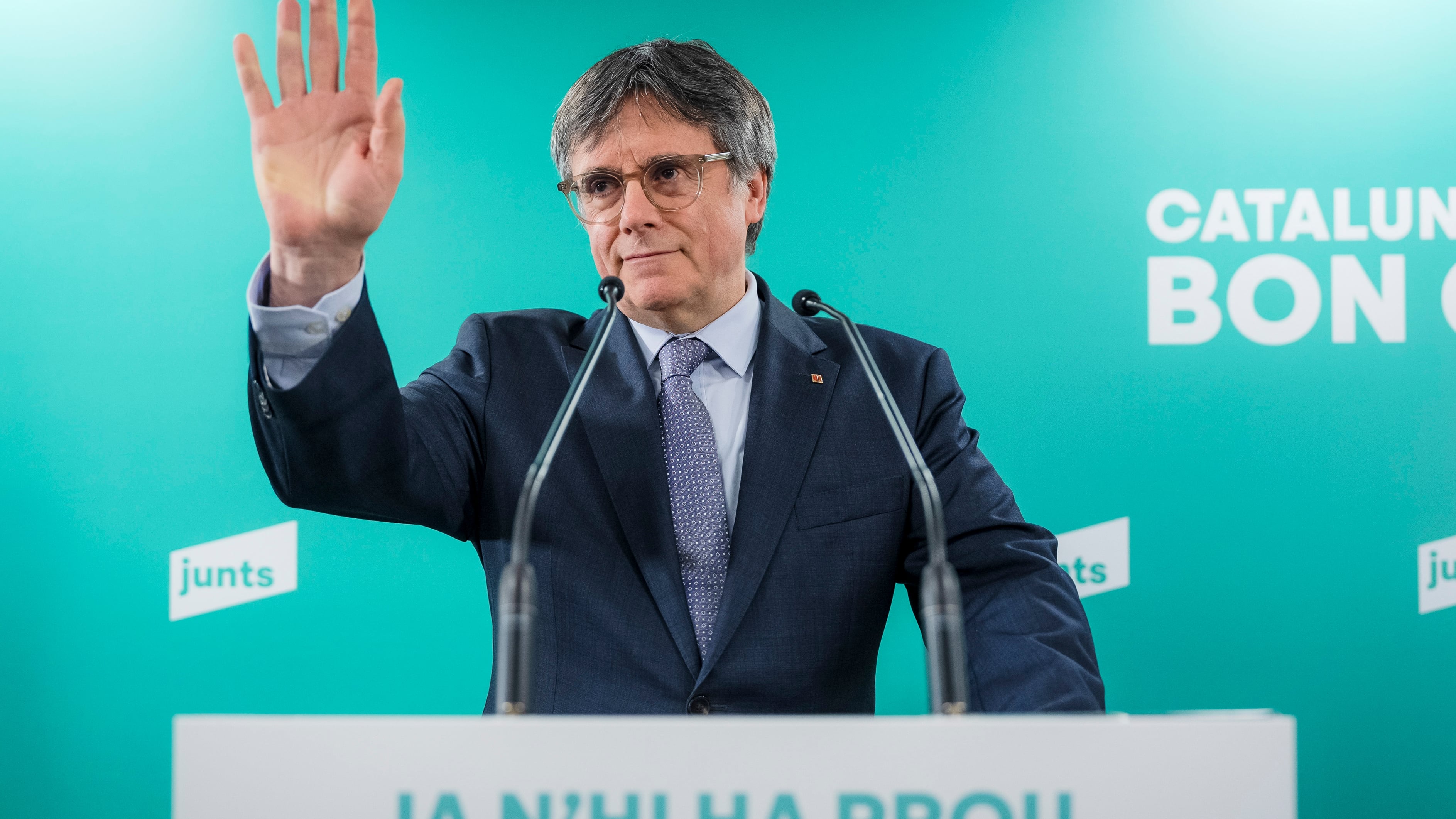
The ongoing political dispute between Junts per Catalunya (Junts) and the Republican Left of Catalonia (ERC) does not appear to concern Salvador Illa, a key figure in Catalan politics. This internal conflict within the Catalan independence movement has, thus far, allowed Pedro Sánchez, the Prime Minister of Spain, to navigate his political survival with minimal concessions. The silence from Carles Puigdemont, a prominent leader of Junts, shifts the focus onto Oriol Junqueras, the leader of ERC. This dynamic highlights the persistent tensions and strategic maneuvering between the two main pro-independence parties in Catalonia. Their rivalry has created a political landscape where Sánchez can maintain his position by meeting only the bare minimum of demands. The situation underscores the fragmentation within the Catalan independence bloc and its implications for national politics in Spain.
The internal divisions within the Catalan pro-independence movement, exemplified by the rivalry between Junts and ERC and the strategic silence of key figures like Puigdemont, present a complex governance challenge. This fragmentation allows Spanish Prime Minister Sánchez to maintain political stability by addressing only minimal demands, creating a precarious equilibrium. From a systems perspective, such persistent inter-party conflict can hinder effective policy implementation and long-term strategic planning for Catalonia's future. As AI and technological advancements reshape governance and societal expectations, the ability of political actors to forge consensus and present a unified vision will become increasingly critical for regional and national progress. The current dynamic, while offering short-term political survival, may impede the development of robust, forward-looking strategies essential for navigating future challenges.
AI-generated to prompt reflection — not editorial opinion, not advice, not a statement of fact. How this works.