Catalan Prisons Struggle with Extreme Heatwave
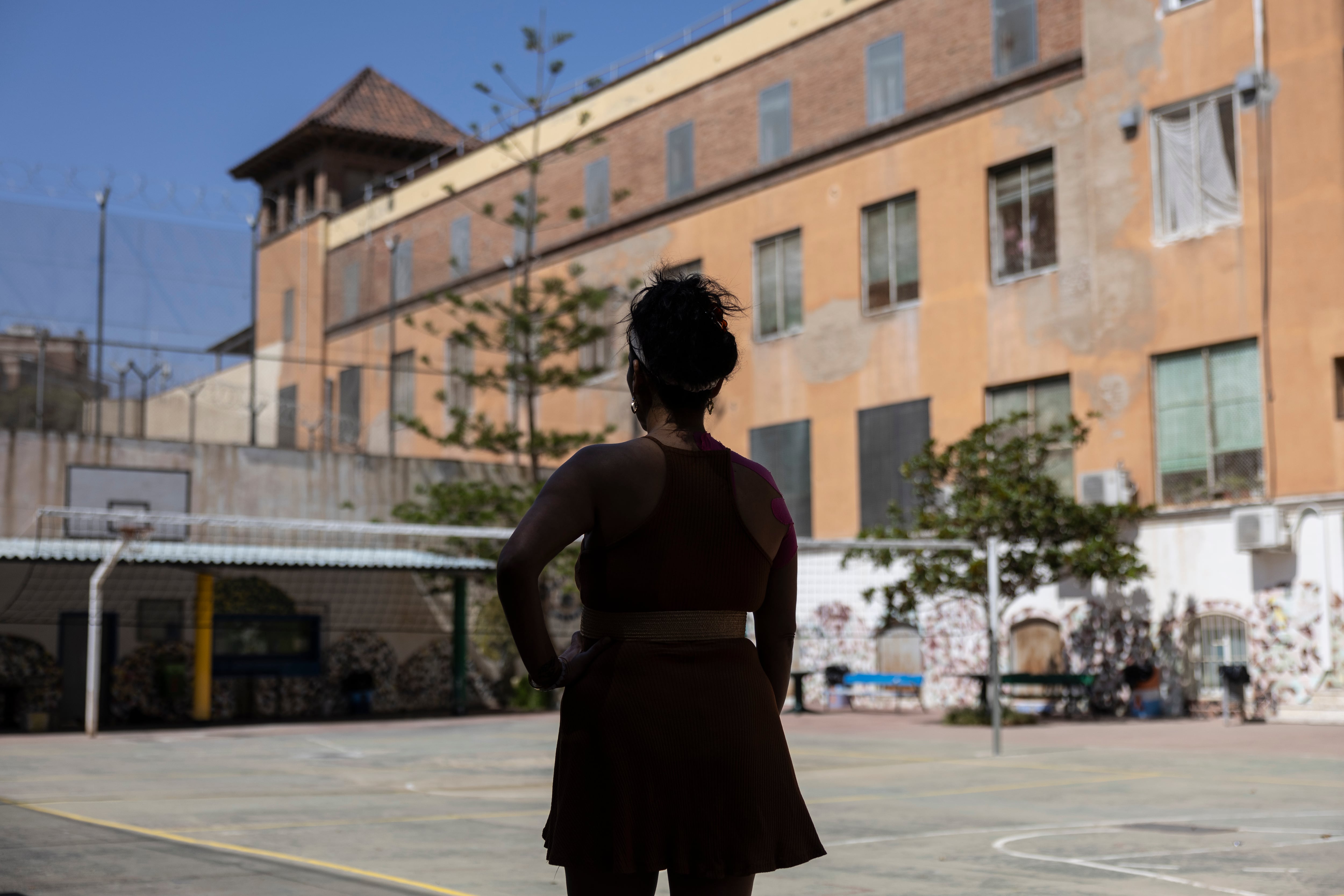
Catalan prisons are facing significant challenges in coping with a severe heatwave, with temperatures inside cells reportedly reaching up to 40 degrees Celsius. Activists and prison officials have raised alarms about the difficult conditions, noting that the concrete structures of the cells retain heat long after sunset. This prolonged exposure to high temperatures poses a serious risk to the well-being of inmates and staff. The current infrastructure in many of these facilities appears ill-equipped to handle such extreme weather events. The situation highlights a potential vulnerability in prison systems across regions experiencing rising global temperatures. Concerns are mounting over the health implications for those confined within these environments, particularly for vulnerable individuals. The ongoing heatwave exacerbates existing issues within the prison system, demanding urgent attention and potential solutions for climate resilience.
The extreme heat impacting Catalan prisons underscores a critical infrastructure challenge for correctional facilities globally, particularly in regions facing intensified climate events. The physical design of older prisons, often built with materials like concrete that absorb and retain heat, creates a systemic vulnerability. This situation necessitates a forward-looking approach to facility management and renovation, prioritizing climate adaptation strategies. Future planning must consider the long-term implications of rising global temperatures on the health and safety of incarcerated populations and staff, exploring technological and architectural solutions to mitigate heat exposure and ensure humane living conditions within these institutions.
AI-generated to prompt reflection — not editorial opinion, not advice, not a statement of fact. How this works.