Catalonia Detects PISA Sample Error, Preventing Year-on-Year Comparisons
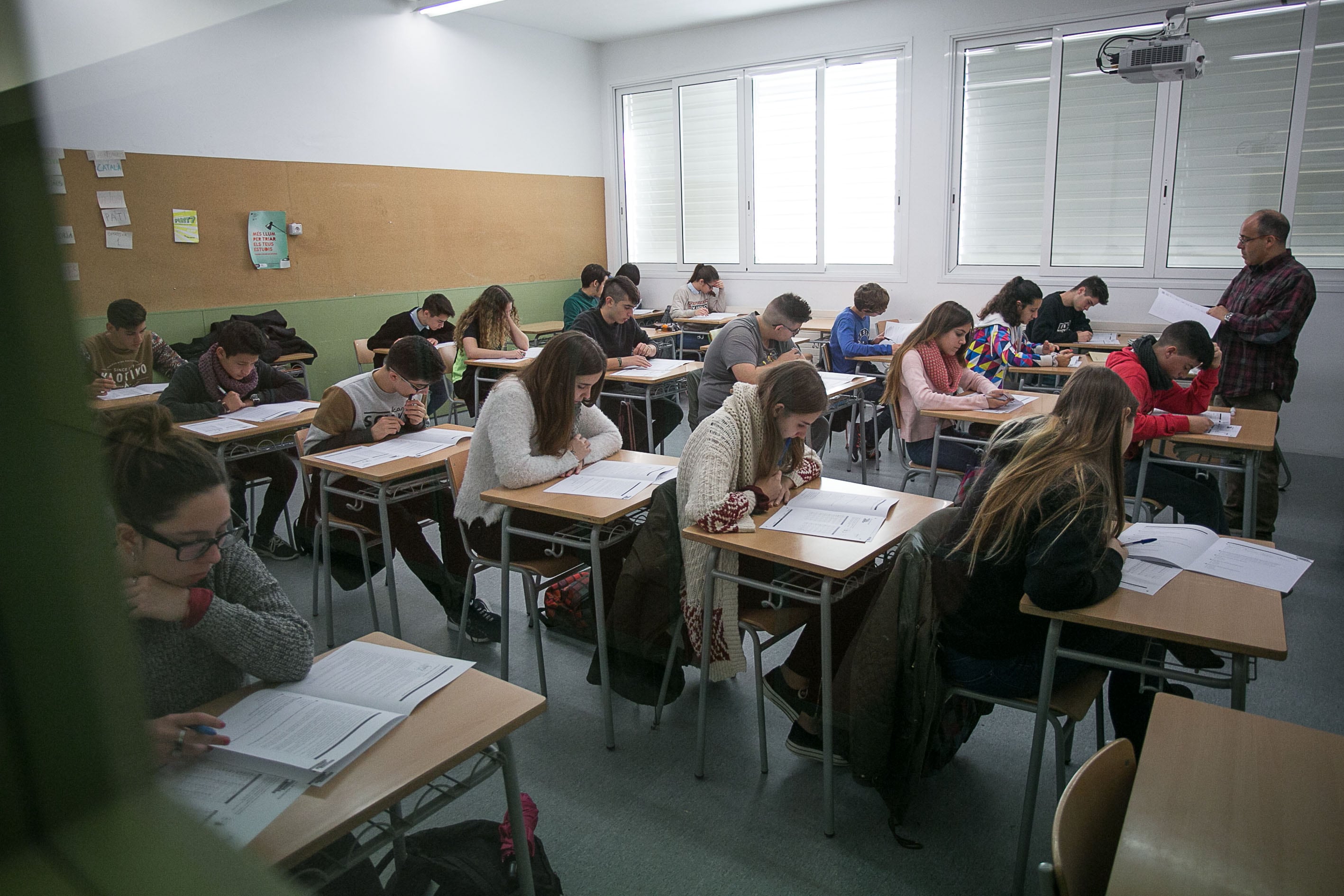
Catalonia's Department of Education has identified an error in the sample used for the Programme for International Student Assessment (PISA) test, which will prevent direct comparison of its results with previous years. The department acknowledged that the cause of the issue is currently unknown. A significant 23% of the intended sample was excluded from the test, far exceeding the 5% maximum exclusion rate set by the Organisation for Economic Co-operation and Development (OECD). This discrepancy raises concerns about the representativeness of the data collected for Catalonia in this assessment cycle. The PISA tests are administered every three years to evaluate education systems worldwide. The exclusion of such a large portion of the sample could potentially skew the results and impact the validity of any conclusions drawn from them. Further investigation is required to understand the reasons behind this anomaly and to ensure the integrity of future assessments.
The significant exclusion rate of 23% from Catalonia's PISA sample, substantially over the OECD's 5% limit, indicates a potential systemic issue in the data collection or sampling methodology. This anomaly compromises the comparability of results and raises questions about the reliability of the assessment for this cycle. Future educational policy decisions based on this data may be less informed. Addressing the root cause of this exclusion is crucial for maintaining the integrity of international educational benchmarks and ensuring accurate performance evaluations of the Catalan education system.
AI-generated to prompt reflection — not editorial opinion, not advice, not a statement of fact. How this works.