Catalonia Reopens Debate on Highway Tolls After Five Years
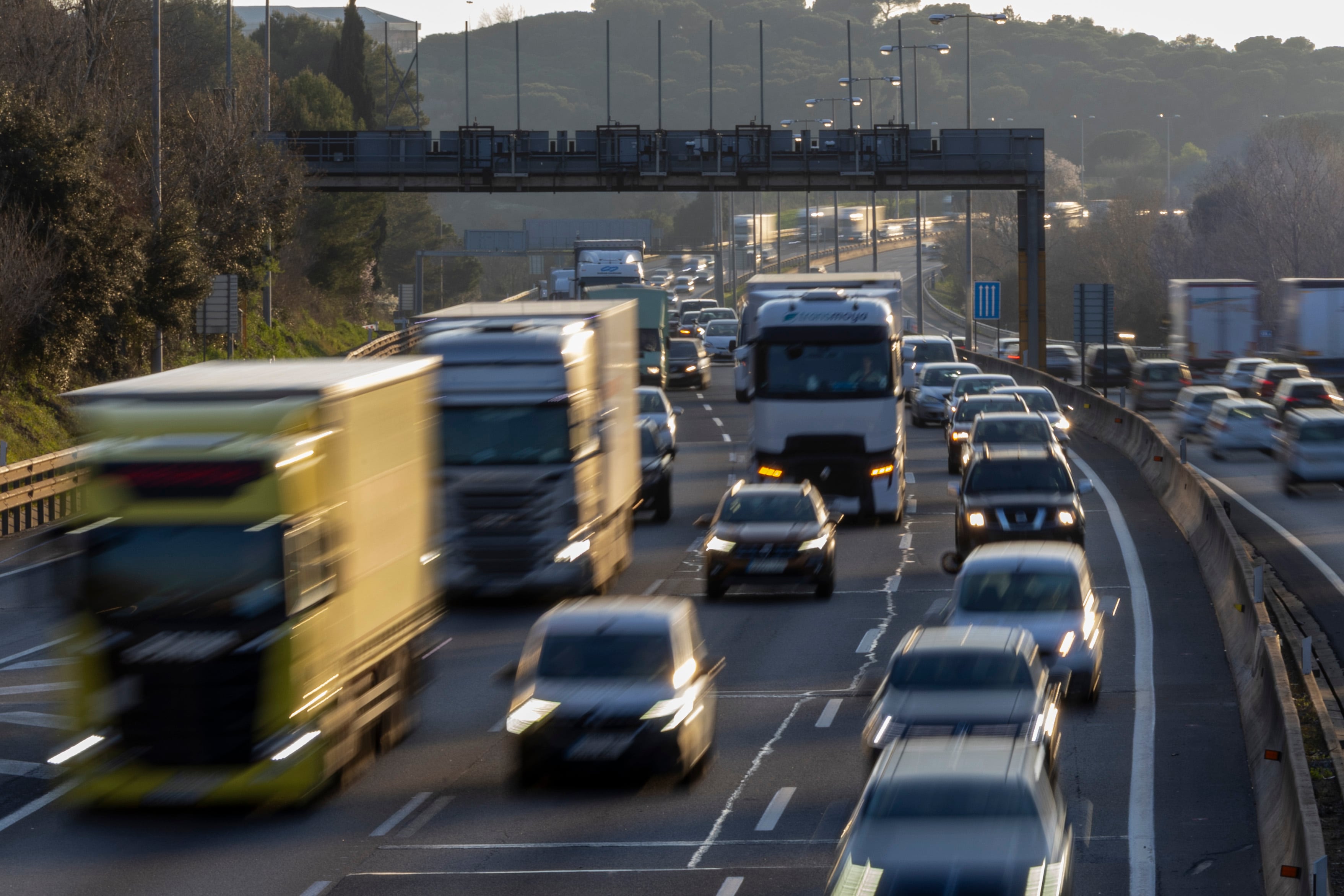
Catalonia has reignited the discussion surrounding highway tolls, five years after their removal. The decision to eliminate tolls on certain expressways in 2019 was intended to ease the financial burden on drivers and stimulate economic activity. However, the consequences of this move have led to a reevaluation of the policy. Officials are now considering the potential benefits and drawbacks of reintroducing toll barriers.
This reconsideration comes amid unexpected outcomes stemming from the toll-free period. The debate involves weighing factors such as the impact on road maintenance funding, traffic congestion, and the overall economic efficiency of the region's transportation network. The regional government is analyzing data and public sentiment to determine the best path forward for Catalonia's highways.
The reintroduction of highway tolls in Catalonia presents a complex interplay between public finance, infrastructure maintenance, and user cost. Eliminating tolls may have initially offered immediate relief to drivers and potentially boosted short-term mobility. However, this approach shifts the burden of road upkeep from direct users to broader public budgets, potentially straining resources for other essential services or necessitating alternative revenue streams. Reintroducing tolls could generate dedicated funding for infrastructure improvements and maintenance, ensuring the long-term quality and safety of the road network. The challenge lies in designing a toll system that is perceived as equitable, minimizes administrative overhead, and avoids disproportionately impacting lower-income commuters or freight transport, thereby balancing fiscal responsibility with economic accessibility.
AI-generated to prompt reflection — not editorial opinion, not advice, not a statement of fact. How this works.