Catalytic Converter Failure: Signs, Costs, and Prevention
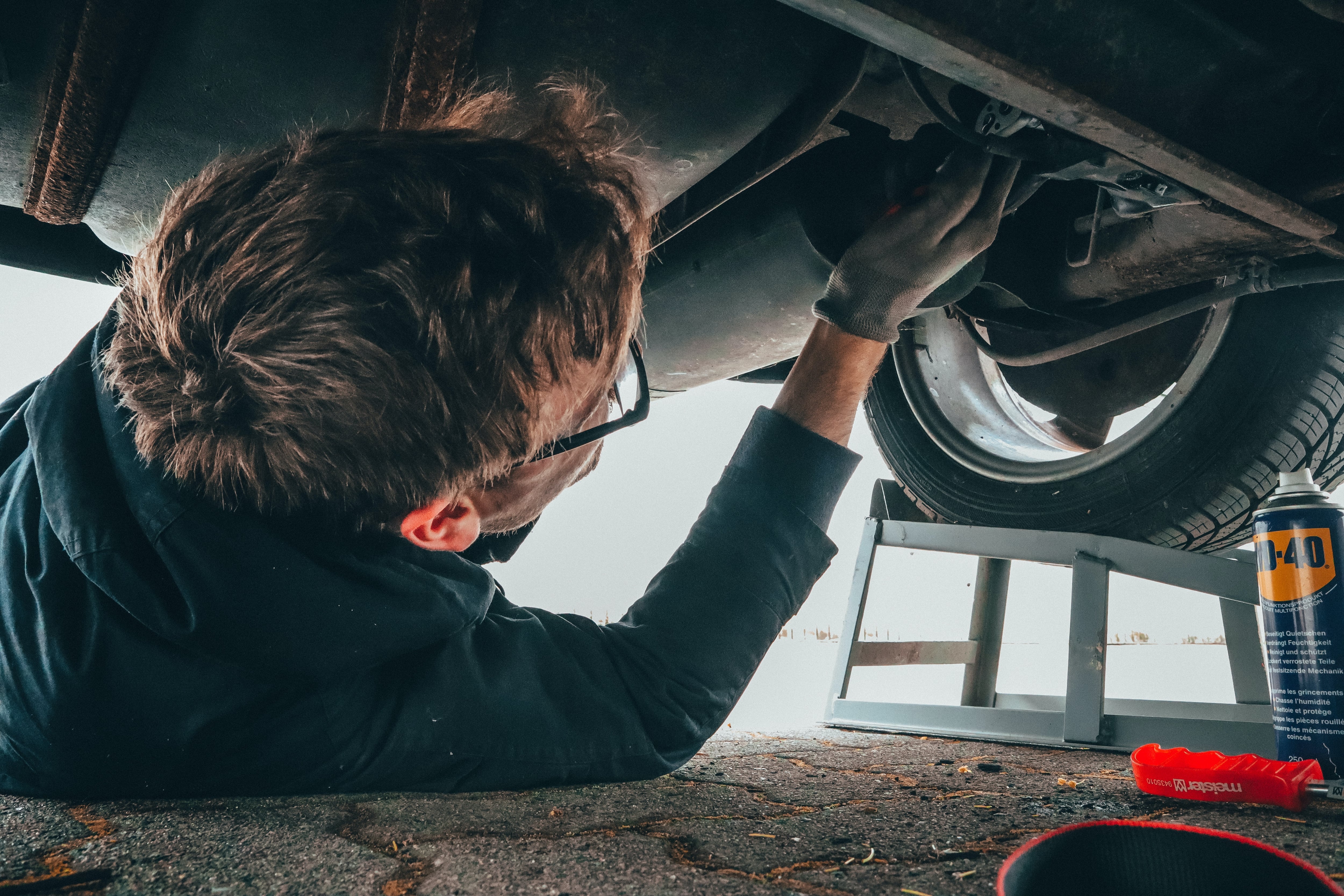
The catalytic converter is a crucial component responsible for reducing a vehicle's pollutant emissions. However, it can also be one of the most expensive repairs a car owner might face. Understanding why this part is so costly and how to potentially avoid its replacement is essential for vehicle maintenance. Signs of a failing catalytic converter can include a decrease in engine performance, such as reduced acceleration and power. The "check engine" light on the dashboard often illuminates, indicating a problem detected by the vehicle's onboard diagnostics system. A sulfurous or rotten egg smell, particularly noticeable when the engine is hot, can also be a strong indicator of converter issues. In some cases, rattling noises from under the vehicle may signal that the internal components of the converter have broken apart. The high cost associated with catalytic converter replacement stems from the precious metals it contains, such as platinum, palladium, and rhodium, which are used to catalyze the chemical reactions that neutralize harmful gases. These metals are rare and subject to volatile market prices, significantly driving up the repair cost. To help prevent premature failure, regular vehicle maintenance is key. This includes ensuring the engine is running efficiently, as issues like misfires or a faulty oxygen sensor can send unburned fuel into the converter, damaging it. Using the correct fuel and avoiding excessive idling can also contribute to the longevity of the catalytic converter.
The catalytic converter's high repair cost is primarily driven by its reliance on precious metals, whose market value is subject to global supply and demand dynamics. This economic reality creates a significant financial barrier for vehicle owners facing converter failure. From a systems perspective, the durability of catalytic converters is intrinsically linked to the overall health of the engine and exhaust system. Inefficient engine combustion or improper fuel mixtures can accelerate degradation, highlighting the importance of comprehensive vehicle maintenance rather than isolated component repair. As the automotive industry transitions towards electrification and stricter emissions standards, the long-term viability and cost-effectiveness of traditional catalytic converter technology may warrant re-evaluation. Future innovations could focus on more durable materials or alternative emissions control systems that are less susceptible to precious metal price fluctuations and engine-related wear.
AI-generated to prompt reflection — not editorial opinion, not advice, not a statement of fact. How this works.