Catamarca Governor Calls Primary Elections Ineffective and Costly
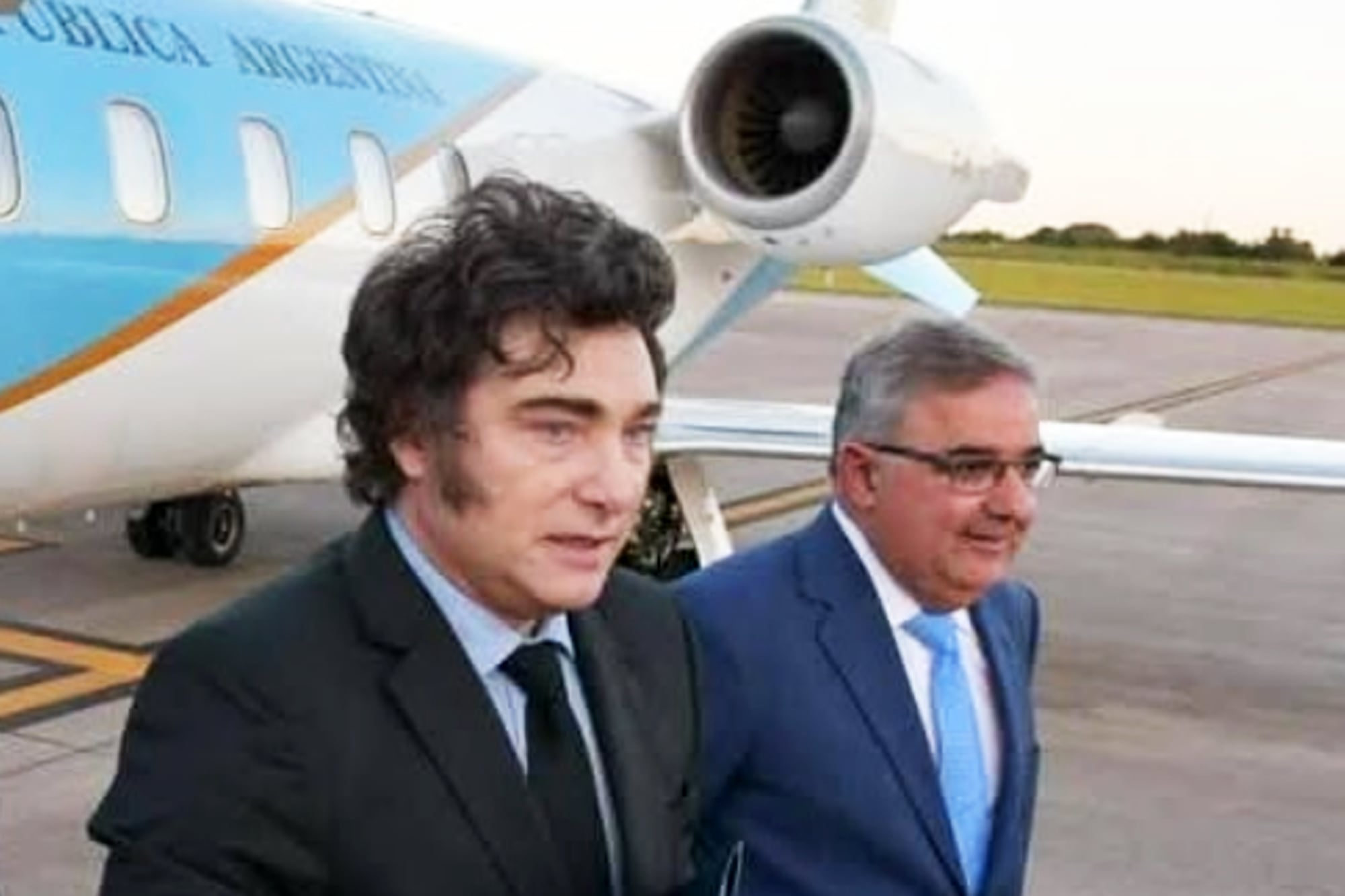
Raúl Jalil, the governor of Catamarca, has stated that the PASO (Open, Simultaneous, and Compulsory Primary) elections do not serve society and are excessively expensive. He made these remarks in the context of ongoing negotiations with the Casa Rosada, the executive branch of the Argentine government. The national government is reportedly seeking congressional approval for an electoral reform. Jalil's comments suggest a potential alignment with reformist sentiments regarding the current primary system. The PASO system, implemented to ensure broader political participation and internal party democracy, has faced criticism for its significant financial burden and perceived lack of utility in genuinely shaping electoral outcomes. The governor's position indicates a growing debate within Argentine politics about the efficiency and cost-effectiveness of its electoral processes.
The governor's critique of the PASO system highlights a recurring tension between democratic inclusiveness and fiscal responsibility in electoral design. While primaries aim to democratize candidate selection, their substantial costs and complex logistics can strain public resources. This debate is likely to intensify as governments face increasing pressure to optimize public spending and demonstrate tangible returns on investment for all public services, including elections. Future electoral reforms may seek to balance broader participation with more streamlined and cost-effective mechanisms, potentially exploring alternative methods for internal party deliberation or candidate vetting that do not necessitate nationwide, simultaneous elections.
AI-generated to prompt reflection — not editorial opinion, not advice, not a statement of fact. How this works.