Catania Airport Reopens After Mount Etna Ashfall
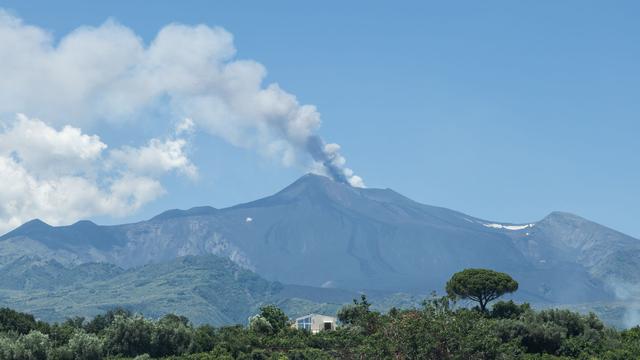
Europe's largest volcano, Mount Etna, has caused disruptions at Catania Airport in Sicily, Italy, due to an ashfall event. The airport, a key gateway to eastern Sicily, was temporarily closed to air traffic. Flights have now resumed operations after the runway was cleared and deemed safe. This event highlights the ongoing volcanic activity of Mount Etna, which is one of the most active volcanoes in the world. The ash emissions are a recurring phenomenon associated with Etna's eruptions, often impacting local infrastructure and air travel. Authorities at the airport worked diligently to mitigate the effects of the ash and ensure the swift return to normal operations. The resumption of flights allows for the continuation of tourism and economic activities in the region, which are heavily reliant on air connectivity.
Volcanic activity near major transportation hubs presents a recurring challenge for regional governance and infrastructure resilience. The temporary closure of Catania Airport due to Mount Etna's ashfall underscores the need for robust contingency planning and rapid response protocols. While the airport's swift reopening demonstrates effective operational management, the long-term implications involve balancing economic reliance on air travel with the inherent risks posed by natural phenomena. Future strategies may involve enhanced monitoring systems, diversified transportation links, and advanced ash mitigation technologies to minimize future disruptions and ensure sustained regional connectivity.
AI-generated to prompt reflection — not editorial opinion, not advice, not a statement of fact. How this works.