Catastrophe Insurance Policies: Still a False Start for Now
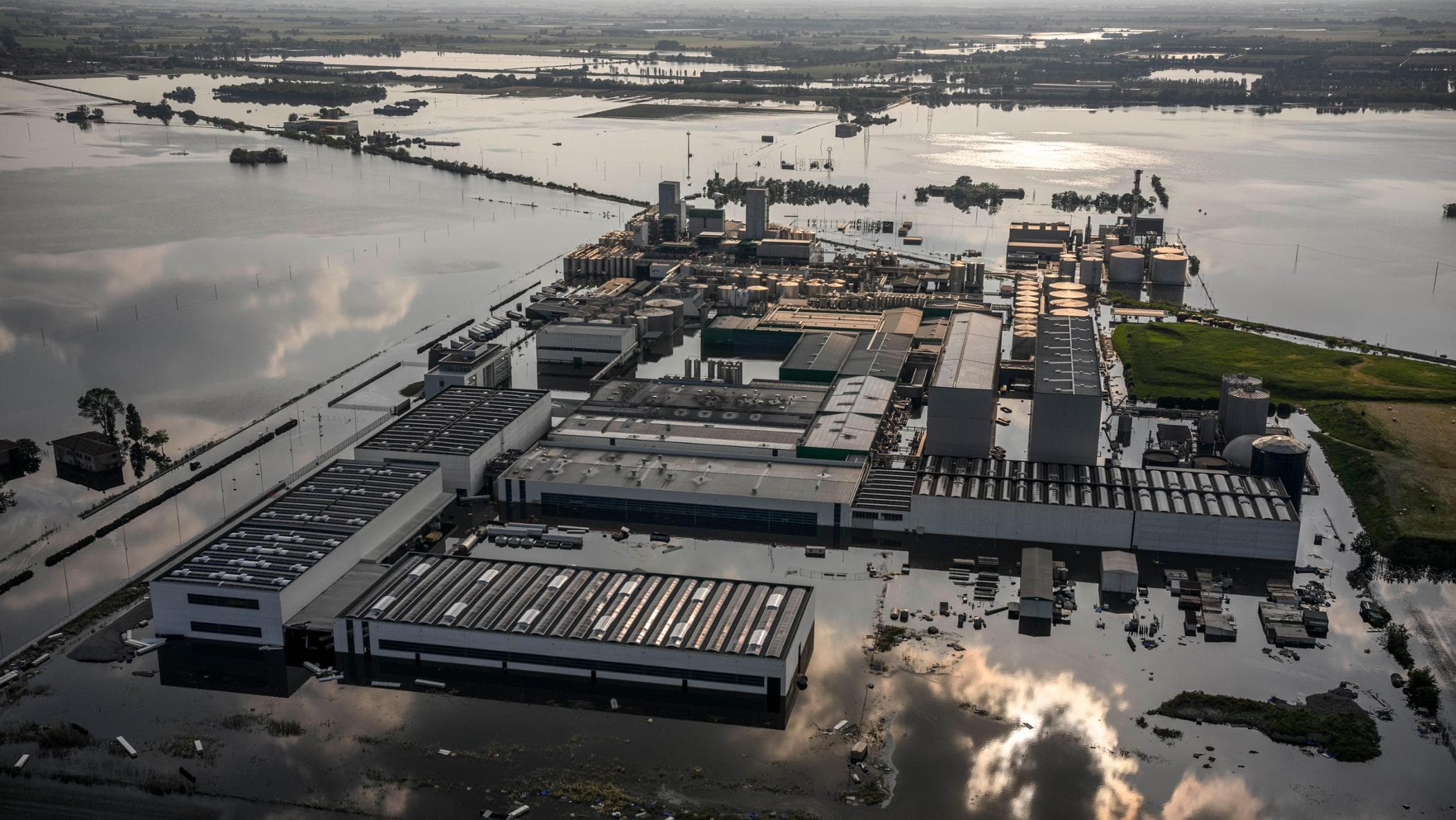
Catastrophe insurance policies are struggling to gain traction, particularly among smaller entities, as risk mutualization remains elusive. Individuals residing in regions like Calabria, Molise, Umbria, and Emilia-Romagna face significantly higher premiums, indicating a disparity in risk assessment and pricing. This suggests that current insurance models are not effectively addressing the diverse risk profiles across different geographical areas within Italy. The slow adoption rate points to potential barriers such as lack of awareness, affordability issues, or inadequate product design. Without a more robust framework for risk sharing, the availability and affordability of adequate protection against natural disasters will likely remain a challenge for many.
The current landscape of catastrophe insurance in Italy highlights a market failure in risk mutualization, leading to uneven affordability and accessibility. This situation may stem from insufficient data on regional disaster probabilities, high administrative costs for insurers, or a lack of government incentives. The disparity in pricing for residents of different regions suggests that insurers are not effectively pooling risks, potentially leading to adverse selection or simply a reluctance to underwrite policies in perceived high-risk zones. Over the next decade, with increasing climate-related events, the demand for such insurance will grow, necessitating innovative solutions like parametric insurance, public-private partnerships, or government-backed reinsurance pools to ensure broader coverage and equitable pricing.
AI-generated to prompt reflection — not editorial opinion, not advice, not a statement of fact. How this works.