Catholic Bishops Express Concerns Over New Constitution Process Timing
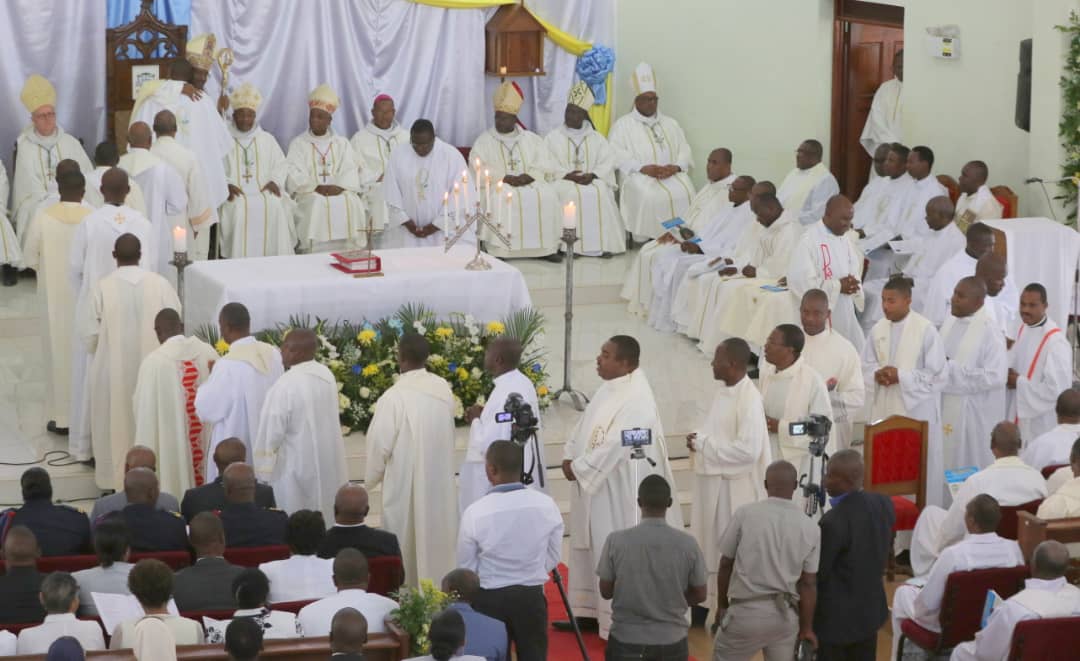
The Catholic Bishops' Conference of Afghanistan has voiced strong opposition to the current timing of the process to draft a new constitution. The bishops argue that the country is not yet stable enough for such a significant political undertaking. They believe that prioritizing security and national reconciliation should come before embarking on constitutional reform. The conference has urged the government and relevant stakeholders to postpone the constitution-making process until a more conducive environment is established. This stance highlights deep divisions within Afghan society regarding the path forward for the nation's governance. The bishops' statement underscores the complex challenges facing Afghanistan as it attempts to rebuild its institutions and establish lasting peace. Their opposition reflects concerns that a rushed constitutional process could exacerbate existing tensions and undermine long-term stability. The conference emphasized the need for broad consensus and a stable political climate before initiating fundamental changes to the country's legal framework. The specific date for the proposed constitutional process has not been clearly defined, but the bishops' statement indicates a significant point of contention.
The Catholic Bishops' opposition to the timing of Afghanistan's new constitution process highlights a critical tension between the desire for political reform and the immediate realities of national stability. This situation reflects a common challenge in post-conflict environments where institutional development must contend with ongoing security concerns and societal fragmentation. The bishops' perspective suggests that external pressures or internal political agendas may be driving the constitutional process forward prematurely, potentially overlooking the foundational need for reconciliation and a secure environment. From a governance perspective, initiating such a fundamental legal framework without broad societal consensus and stability risks creating a document that lacks legitimacy or is difficult to implement effectively. The long-term implications involve the potential for a constitution that either fails to address the nation's core issues or becomes a source of further division, impacting Afghanistan's trajectory over the next decade as it navigates complex geopolitical and domestic challenges.
AI-generated to prompt reflection — not editorial opinion, not advice, not a statement of fact. How this works.