Catholic Churches in João Pessoa Adjust Mass Times for Brazil's World Cup Match
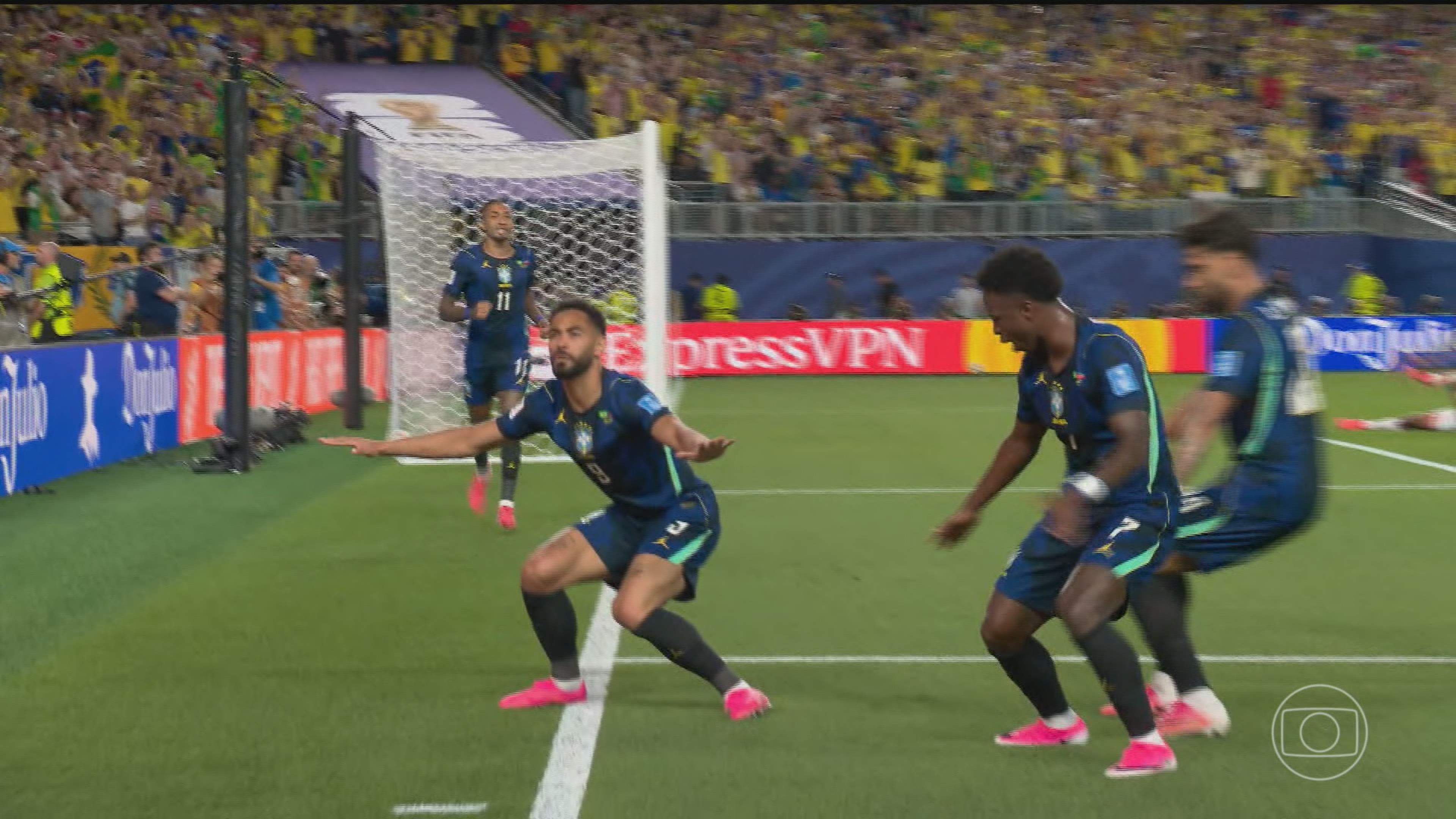
Several Catholic churches in João Pessoa, Brazil, have decided to alter their Sunday Mass schedules on December 5th to accommodate the 5 PM kickoff of the World Cup match between Brazil and Norway. This decision stems from the game's timing coinciding with the traditional late-afternoon Mass in many parishes. Consequently, some churches have chosen to move their services earlier or cancel the 5 PM Mass altogether. The Archdiocese of Paraíba has clarified that these scheduling changes are not a directive from the Archdiocese itself, but rather a local decision made by individual parishes based on their specific community's circumstances. Father Marcelo Arruda of the Nossa Senhora de Lourdes parish in downtown João Pessoa confirmed that their 5 PM Mass will be suspended, with services held only at 7 AM, 9:15 AM, and 11:15 AM. Following the 9:15 AM Mass, the parish will host a World Cup sticker exchange event for attendees. Other parishes, including Jesus Ressuscitado in Anatolia, São Francisco de Assis in Mangabeira VII, and São Pedro Pescador in Manaíra, have also opted to adjust or cancel their 5 PM services. However, some parishes, such as Santo Antônio do Menino Deus in Jardim Cidade Universitária, will maintain their regular 6 PM Mass schedule. Parishioners are advised to verify Mass times directly with their respective church offices or official communication channels before attending.
This event highlights the intersection of cultural and religious practices within a community, particularly during significant national events like the World Cup. The decision by individual parishes to adjust Mass times reflects a pragmatic approach to community engagement, acknowledging the strong pull of national sporting events. While the Archdiocese has deferred scheduling authority to local parishes, this decentralized approach could lead to varying experiences for the faithful across different locations. Looking ahead, such adjustments may become more common as digital connectivity and shared cultural moments continue to influence daily life, prompting religious institutions to consider how they can remain relevant and accessible within broader societal rhythms.
AI-generated to prompt reflection — not editorial opinion, not advice, not a statement of fact. How this works.