Catnip-Based Repellent Offers Mosquito Protection
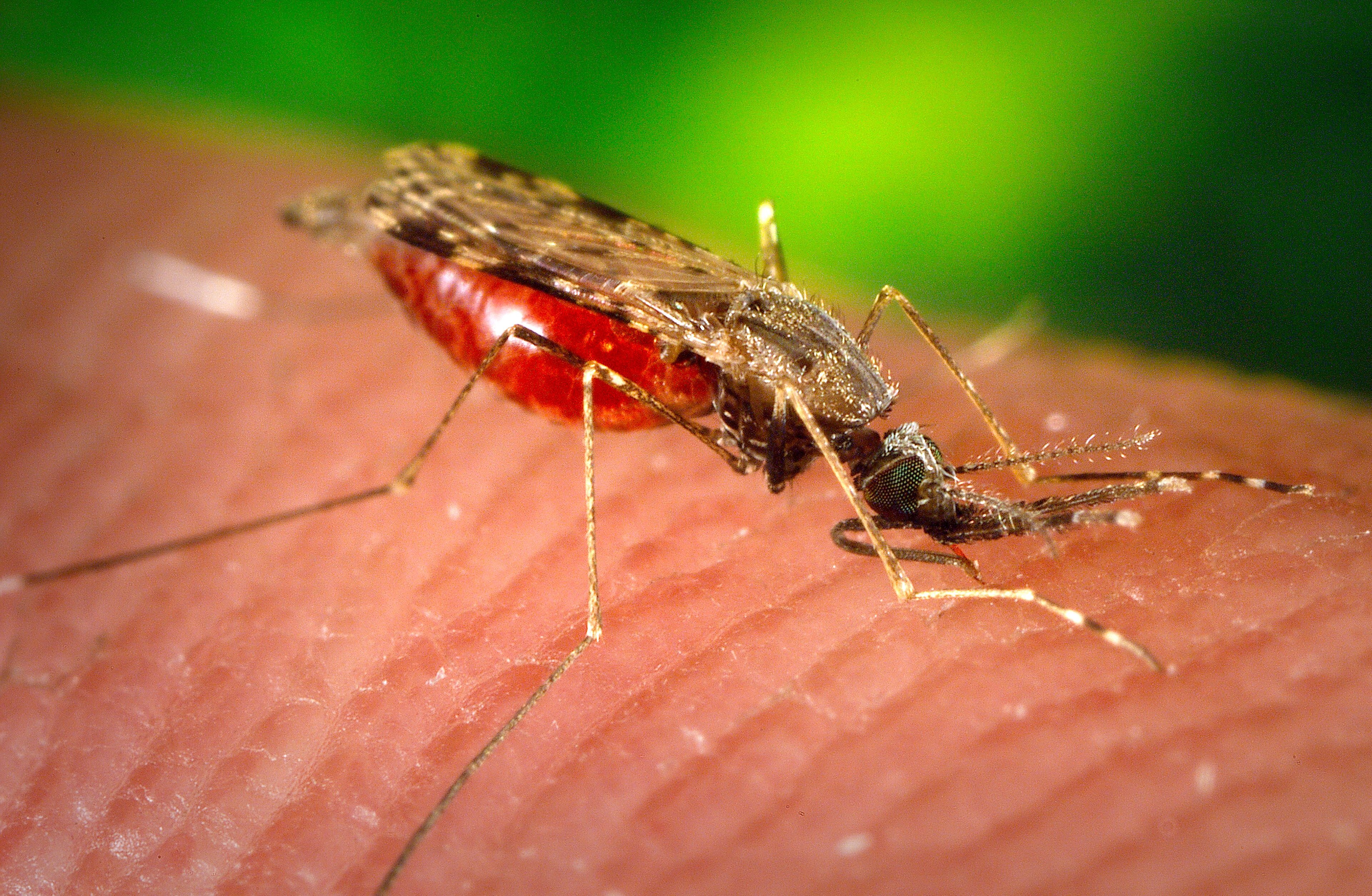
Mosquitoes are a significant threat to human health, making effective repellents crucial for safety. While DEET is a common ingredient in many insect repellents, research is exploring alternative, natural solutions. One promising avenue involves the use of catnip, a plant known for its distinct scent. Studies have indicated that compounds derived from catnip can be effective in deterring mosquitoes. This natural approach could offer a safer and potentially more sustainable alternative to synthetic chemicals. Further development in this area could lead to new products that help reduce mosquito-borne diseases. The focus on natural repellents aligns with a growing consumer interest in eco-friendly and less toxic personal care products. This research highlights the potential of plant-based solutions in public health strategies against insect-borne illnesses.
The exploration of catnip as a mosquito repellent signifies a shift towards natural product development in pest control, driven by both consumer demand for 'greener' alternatives and potential concerns regarding the long-term effects of synthetic chemicals like DEET. This approach leverages ethnobotanical knowledge and scientific validation to identify plant-derived compounds with insect-repelling properties. Future success will depend on the scalability of extraction and formulation, ensuring efficacy comparable to or exceeding existing standards, and navigating regulatory pathways for natural products. The development of such repellents could offer a complementary strategy to existing public health interventions against vector-borne diseases, particularly in regions where access to conventional repellents is limited or where resistance to DEET emerges.
AI-generated to prompt reflection — not editorial opinion, not advice, not a statement of fact. How this works.