Cavities in Children's Baby Teeth: Impact on Permanent Teeth?
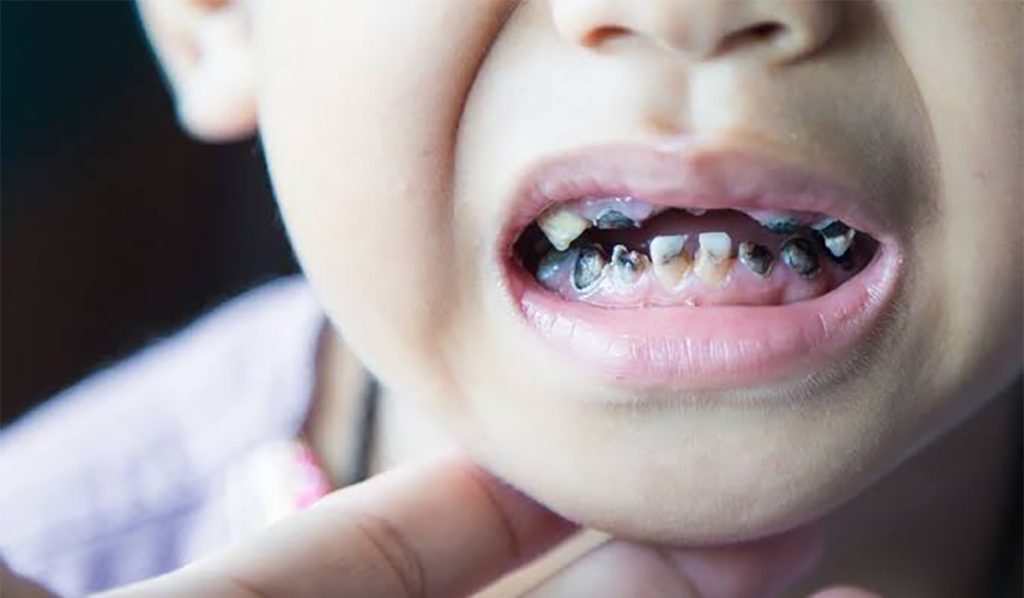
Many children aged five to six years old exhibit black or decayed baby teeth, sometimes with visible holes or worn-down sections. This dental decay can detract from a child's natural smile. Parents are often questioned about why their children's teeth are not being properly cared for when they appear this way. The primary concern is whether cavities in these primary (baby) teeth can affect the development and health of the permanent teeth that will eventually replace them. Proper oral hygiene and timely dental care are crucial during this transitional phase to ensure the long-term health of a child's dentition. Addressing decay in baby teeth is important not only for aesthetics but also for preventing potential issues with the underlying permanent teeth. Early intervention can mitigate risks and promote healthy tooth development.
The prevalence of dental decay in children's primary teeth highlights a critical public health issue related to early childhood oral hygiene practices and access to dental care. The potential impact of untreated cavities on the developing permanent dentition underscores the importance of preventative measures and early intervention. Future healthcare systems may need to integrate more robust dental education programs for parents and ensure accessible, affordable dental services for young children. Understanding the long-term consequences of early dental neglect can inform policy decisions aimed at improving lifelong oral health outcomes and reducing the burden of dental disease.
AI-generated to prompt reflection — not editorial opinion, not advice, not a statement of fact. How this works.