CBFC Censors Spider-Man Kiss Scene, Other Films Also Faced Cuts
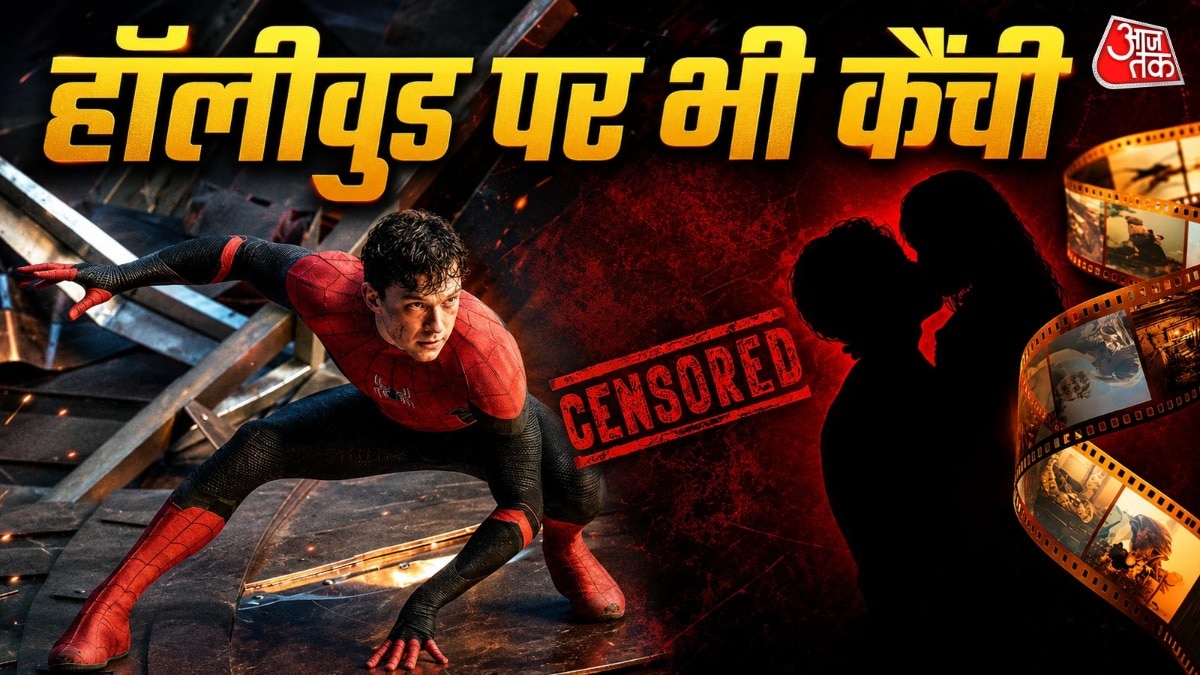
The Central Board of Film Certification (CBFC) in India has requested that the makers of 'Spider-Man: Brand New Day' remove an 8-second kissing scene from the film. This is not the first instance of the CBFC demanding cuts to Hollywood productions. The board's decision highlights ongoing considerations regarding content appropriateness for Indian audiences. The move follows a pattern of the CBFC reviewing and sometimes altering scenes in international films before their release in the country. This particular request for 'Spider-Man: Brand New Day' involves a brief romantic moment between characters. The CBFC's role involves certifying films and ensuring they align with Indian cultural sensitivities and censorship guidelines. The board has previously mandated cuts in other Hollywood movies, demonstrating a consistent approach to content regulation. This review process aims to balance artistic expression with societal norms as perceived by the certification board. The specific reasons for the requested cut to the Spider-Man kissing scene were not detailed in the report, but such decisions often relate to perceived explicitness or duration.
The CBFC's decision to censor an 8-second kissing scene in 'Spider-Man: Brand New Day' reflects a recurring tension between global entertainment standards and localized cultural sensitivities in India. This action, while framed as a regulatory measure, can be viewed through the lens of evolving societal norms and the influence of certification bodies on narrative content. Such interventions, particularly on brief romantic interactions, may inadvertently shape audience perceptions of acceptable on-screen intimacy and potentially limit the creative scope for filmmakers aiming for international distribution. The long-term implications involve navigating the complexities of cultural adaptation in a globalized media landscape, where content must satisfy diverse audiences while adhering to national regulatory frameworks. This situation prompts consideration of how censorship policies impact artistic expression and the potential for a more nuanced approach to content classification that respects both cultural values and creative freedom.
AI-generated to prompt reflection — not editorial opinion, not advice, not a statement of fact. How this works.