CBP's Cell Phone Search Authority at the Border Explained
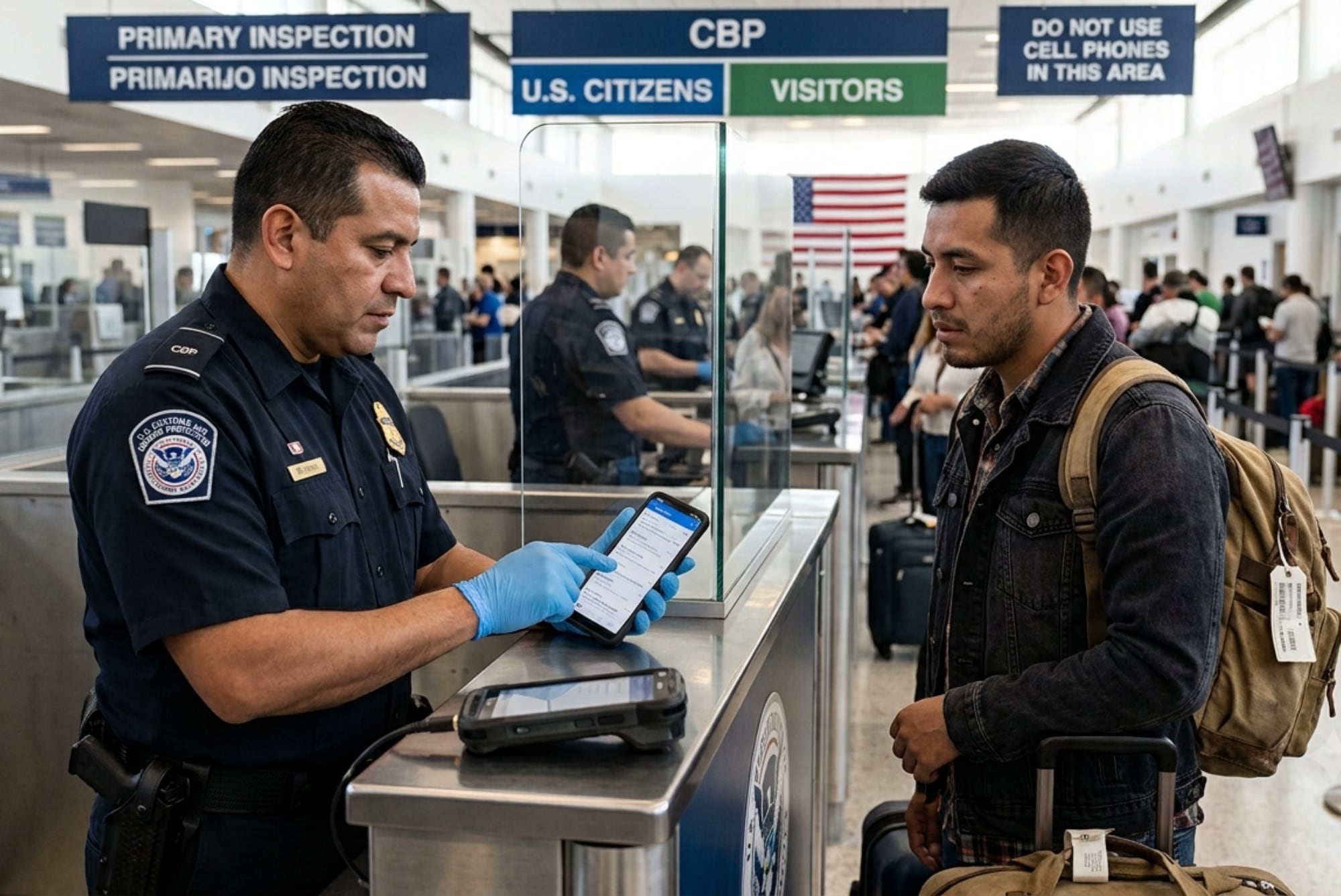
U.S. Customs and Border Protection (CBP) agents have the authority to search cell phones during border inspections if they have suspicions. This capability extends to advanced searches under certain conditions. The scope of what agents can review on a cell phone is governed by current regulations. These regulations outline the specific circumstances under which a search can be initiated and the extent of the information that can be accessed. The process is designed to address national security concerns while balancing individual privacy rights. Agents must have a reasonable suspicion to conduct a more in-depth examination of a device. The CBP's guidelines aim to provide clarity on these procedures for both officers and travelers. Understanding these rules is crucial for individuals crossing the border.
The CBP's authority to search electronic devices at the border raises significant questions about digital privacy in the age of ubiquitous personal data. While national security is a stated objective, the broad discretion afforded to agents in initiating searches based on suspicion could lead to inconsistent application and potential overreach. Future technological advancements will likely necessitate ongoing reevaluation of these policies to ensure they remain proportionate to evolving threats and respect fundamental privacy rights. Balancing border security imperatives with the expectation of privacy in digital information remains a critical challenge for policymakers and enforcement agencies alike.
AI-generated to prompt reflection — not editorial opinion, not advice, not a statement of fact. How this works.