CBR Seeks Jail Time for Exam Disruptor Henrie Kamps
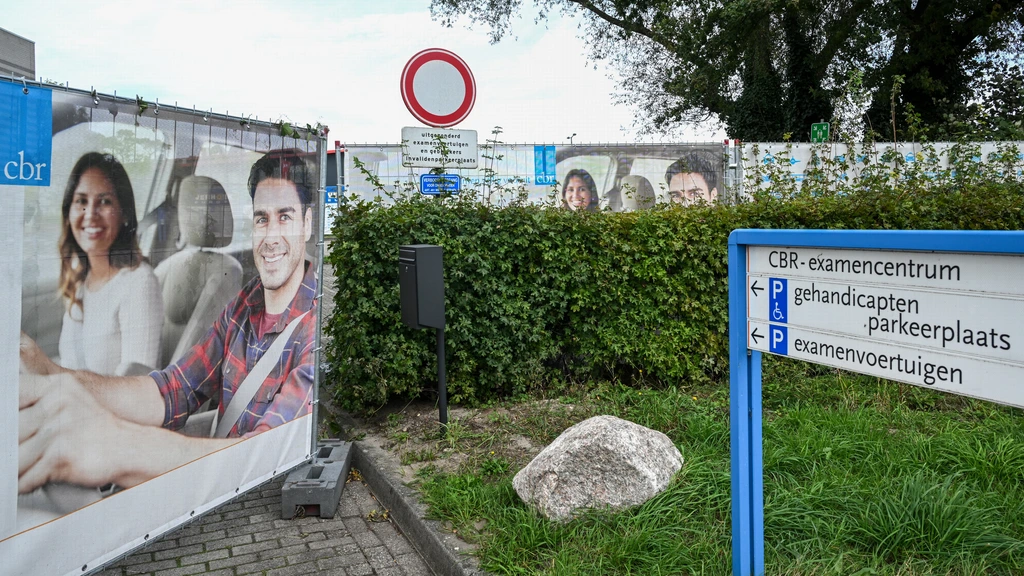
The Central Bureau for Driving Skills (CBR) is pursuing legal action to imprison Henrie Kamps from Neede if he continues to disrupt driving exams. The CBR alleges that Kamps, a former driving school owner, sabotages exams and stalks examiners, despite previous restraining orders and penalty fines. The organization has approached the court in Zutphen to demand "lijfsdwang," a legal measure allowing for imprisonment upon repeated violation of court orders. CBR's lawyer, Jordi Bierens, stated that Kamps's actions make employees feel unsafe, leading to at least seventy practical exams being canceled and days where no exams could be administered due to Kamps's presence. Kamps, who did not attend the hearing or send a lawyer, claims his actions are part of an investigation into alleged favoritism by the CBR towards larger driving schools, a grievance stemming from his own experience as a small school owner since 2021. He initially cited freedom of speech and journalistic inquiry, but a prior court ruling limited his activities, prohibiting any endangerment to the safety of examiners or candidates. The severity of Kamps's actions is highlighted by an incident in October 2023 where a 17-year-old candidate, Jens van Rijn, reported being stalked and intentionally obstructed by Kamps during his exam, leading to its immediate termination. The CBR has incurred significant costs, including a reported million euros, due to exam cancellations and security measures like large screens installed at their Enschede facility. Despite these measures and repeated legal sanctions, Kamps has continued his disruptive behavior, prompting the CBR's current demand for a maximum of fifteen days of detention per violation. The judge acknowledged the CBR's request as "drastic measures" and described Kamps as a "tragic figure" whose prolonged conflict has caused him personal hardship, while also recognizing that previous sanctions have failed to deter his disruptive conduct. The court is expected to rule on the matter in two weeks.
The CBR's request for "lijfsdwang" highlights a critical impasse between maintaining operational integrity and addressing an individual's persistent, disruptive behavior. This situation underscores the challenges public institutions face when legal remedies, such as restraining orders and fines, prove insufficient against determined non-compliance. The CBR's substantial financial losses and the reported impact on employee safety suggest a systemic failure in de-escalation or alternative dispute resolution mechanisms. Kamps's stated motivation, to expose alleged malpractice, frames his actions as a form of protest, albeit one that infringes on the rights and safety of others. The court's characterization of Kamps as a "tragic figure" points to the complex interplay of personal grievance, perceived injustice, and the legal system's capacity to manage such conflicts. Looking ahead, this case may prompt a review of how regulatory bodies balance public service delivery with the need to protect their personnel and infrastructure from targeted disruption, potentially exploring more proactive or restorative justice approaches before resorting to severe measures like imprisonment.
AI-generated to prompt reflection — not editorial opinion, not advice, not a statement of fact. How this works.