CCTV Captures Fatal Hammer Attack on British Politician Ann Widdecombe
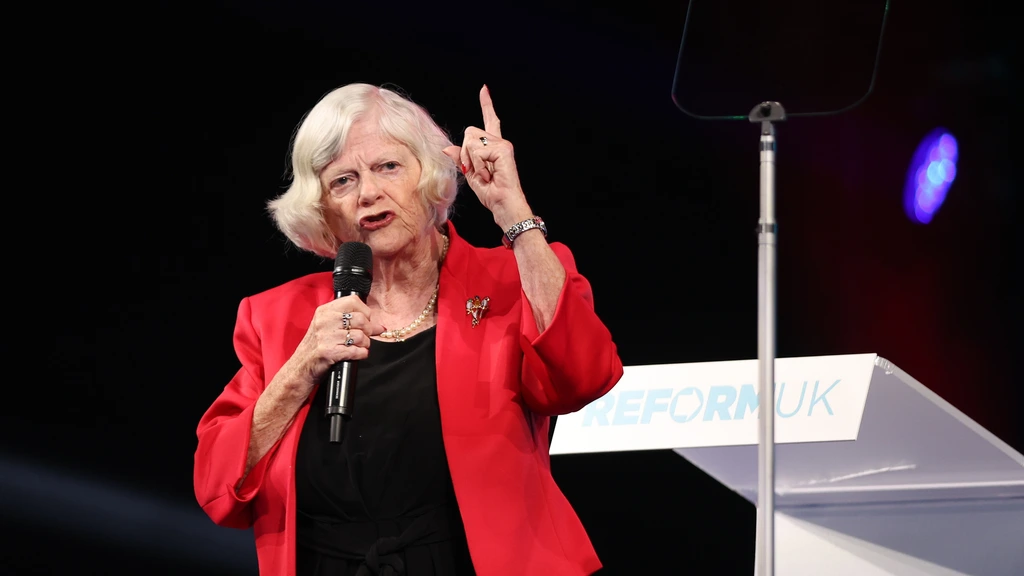
New details have emerged regarding the murder of British politician Ann Widdecombe, with prosecutors confirming that CCTV footage captured the fatal assault. The court heard that Widdecombe, 78, was struck 21 times on the head with a hammer. She was discovered with severe injuries at her home in Haytor, southwest England, earlier this month. Initially, a 26-year-old man was arrested on suspicion of murder but was later released. Subsequently, 28-year-old Joshua Kerry was apprehended in South Yorkshire, approximately 430 kilometers from Widdecombe's residence. Prosecutors stated that doorbell camera footage showed Kerry's car parked outside her home the day before she was found. Further interior camera footage depicted Kerry entering Widdecombe's home while she was eating. He allegedly asked her for bank cards and ID before attacking her with a hammer, pushing her from her chair, and taking her wallet. The politician died from head trauma, according to the court. A gardener found her the following day after she missed a scheduled interview. A hammer and gloves bearing Widdecombe's DNA were found in bins near Kerry's home. Kerry appeared in court for the first time, confirming his personal details, and is charged with murder. Police are investigating potential terrorist or political motives. Ann Widdecombe was a prominent Conservative Party politician from 1987 to 2010, serving as a Member of Parliament and later as a junior minister for Employment and Prisons. Post-parliamentary career, she represented the Brexit Party in the European Parliament and was a vocal supporter of Brexit. Since 2023, she served as the spokesperson for Immigration and Justice for the right-wing populist party Reform UK.
The reported events highlight the critical role of surveillance technology in modern criminal investigations, providing direct evidence of a violent act. The investigation into potential political or terrorist motives, given the victim's prominent and often controversial political career, underscores the complex intersection of public life and personal security. As political discourse intensifies, particularly around divisive issues like Brexit and immigration, the potential for radicalization or targeted violence remains a societal concern. This case prompts reflection on the security measures available to public figures and the systemic factors that may contribute to such extreme acts, urging a focus on de-escalation and robust security frameworks rather than solely reactive measures.
AI-generated to prompt reflection — not editorial opinion, not advice, not a statement of fact. How this works.