CDA Demands Forensic Audit of Islamabad High Court Legal Facilitation Centre Project
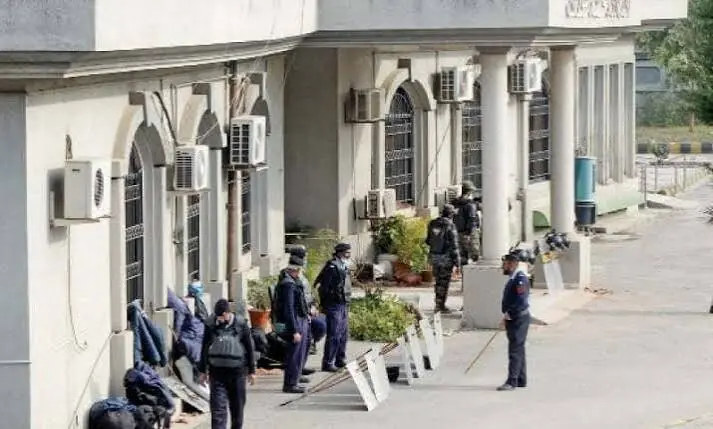
The Capital Development Authority (CDA) is pushing for a third-party forensic audit of the multi-billion-rupee project to construct the Islamabad High Court's (IHC) Legal Facilitation Centre. This demand arises from significant concerns over the project's execution, echoing issues faced by the main IHC building, which cost over Rs11 billion and suffered from faulty elevators, an inadequate cooling system, and substandard construction. The CDA has filed a contempt application before the IHC, requesting the appointment of an independent technical auditor, preferably NESPAK, to scrutinize the executed work, measurements, and any excess quantities. The facilitation centre project, initially managed by the Pakistan Public Works Department (PWD) and transferred to the CDA in August 2024, has seen its cost escalate from an initial Rs1.446 billion to over Rs2.07 billion due to approved variations. The CDA is particularly worried about pending formal approval for excess quantity statements totaling Rs492 million, with the contractor having already submitted a running bill of Rs313 million. Concerns are amplified by a pattern similar to the main IHC building's mismanagement, which an Auditor-General report detailed, including cost overruns and payments without proper documentation. The contractor for the facilitation centre has also faced scrutiny over its credentials and has allegedly exceeded the original bill of quantities, raising transparency issues. The CDA has appealed to the court, citing doubts over the contractor's and Pak PWD's actions regarding excess quantities and pending approvals, necessitating independent verification before further financial commitments. With the project's cost now exceeding Rs2 billion and a revised completion date of December 2026, the CDA seeks judicial intervention to protect public funds and prevent future legal disputes.
The Capital Development Authority's push for a forensic audit highlights systemic challenges in public infrastructure project oversight, particularly concerning cost escalation and quality control. The recurring issues, mirroring those of the main IHC building, suggest potential weaknesses in procurement processes, contract management, and regulatory compliance within public works departments. The involvement of the court indicates a breakdown in administrative accountability, prompting judicial intervention to ensure financial propriety and prevent potential malfeasance. Future reforms might focus on strengthening independent oversight mechanisms, enhancing transparency in contract variations, and implementing more rigorous pre-qualification and monitoring protocols for contractors to safeguard public funds and ensure project integrity.
AI-generated to prompt reflection — not editorial opinion, not advice, not a statement of fact. How this works.