CDP Leader Ogawa Considers No-Confidence Motion Against Cabinet
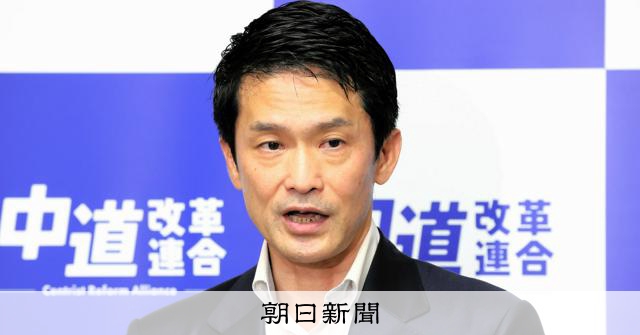
Kenta Izumi, the leader of the Constitutional Democratic Party of Japan (CDP), has stated that the party must consider whether to submit a no-confidence motion against the cabinet. This statement suggests a potential escalation of opposition pressure on Prime Minister Fumio Kishida's government. The CDP, as the main opposition party, holds significant influence in parliamentary proceedings. The decision to propose such a motion would depend on various political calculations, including the potential for success and the broader strategic implications for the party. Izumi's remarks indicate that the CDP is actively evaluating its options for challenging the current administration. Further details regarding the specific timing or conditions for such a motion were not provided. The party's leadership will likely engage in internal discussions and consultations with other opposition groups before making a final decision. This development signals a period of heightened political scrutiny for the Kishida government.
The opposition's contemplation of a no-confidence motion reflects a standard parliamentary mechanism for challenging a government's mandate. The effectiveness of such a motion hinges on political dynamics, including party alignments and public sentiment. In the context of Japan's political landscape, where coalition governments are common, the ability of opposition parties to coalesce and present a united front is crucial. The strategic timing and messaging around such a proposal can significantly influence its impact on public perception and the government's stability. Evaluating this move requires considering the broader implications for legislative agendas and the potential for political realignment in the medium term.
AI-generated to prompt reflection — not editorial opinion, not advice, not a statement of fact. How this works.