CDU Leader Merz Defends Trial of Pro-Palestine Activists in Stammheim
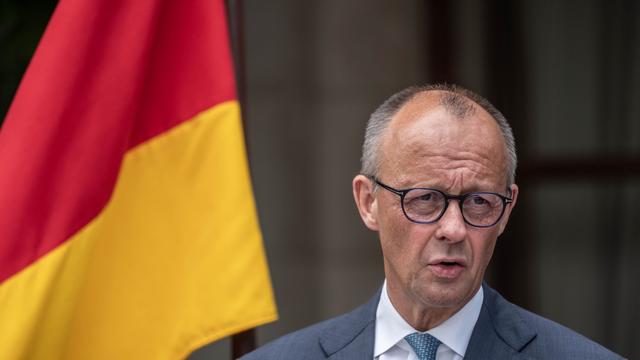
Friedrich Merz, the leader of Germany's Christian Democratic Union (CDU), has publicly defended the ongoing trial of pro-Palestine activists in Stammheim. The activists are facing charges in connection with their activities. Merz's statements come amidst criticism of the legal proceedings. He asserted that the trial is being conducted fairly and according to the rule of law. The CDU leader emphasized the importance of upholding legal standards and ensuring that justice is served. He did not directly address the specific criticisms but reiterated his confidence in the judicial process. The trial in Stammheim has drawn attention from various groups, with supporters and critics of the activists closely watching developments. Merz's intervention highlights the political sensitivity surrounding the case and the broader debate on freedom of speech and assembly in Germany, particularly concerning activism related to the Israeli-Palestinian conflict.
The defense of the Stammheim trial by CDU leader Friedrich Merz underscores the German political establishment's approach to managing dissent, particularly when it intersects with sensitive geopolitical issues like the Israeli-Palestinian conflict. This stance likely reflects a broader concern within governing parties about maintaining public order and adhering to established legal frameworks, potentially aiming to preemptively counter narratives that might frame the legal process as politically motivated suppression. From a systems perspective, such actions can be viewed through the lens of state governance and its balancing act between protecting fundamental rights, such as freedom of expression, and ensuring national security or preventing incitement. The long-term implications may involve how Germany navigates the evolving landscape of digital activism and international solidarity movements, and whether its legal and political responses foster or hinder open societal discourse on complex global issues in the coming decade.
AI-generated to prompt reflection — not editorial opinion, not advice, not a statement of fact. How this works.