CDU Parliamentary Group in Rhineland-Palatinate Cancels Meeting with Friedrich Merz
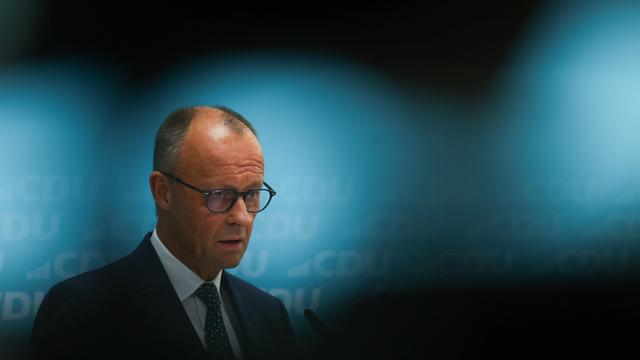
The CDU parliamentary group in the Rhineland-Palatinate state parliament has canceled a planned meeting with party leader Friedrich Merz. The decision stems from dissatisfaction with Chancellor Olaf Scholz's handling of Transport Minister Volker Wissing. According to the group, there is a "minimum level of mutual trust" lacking for a productive discussion with Merz. This indicates internal dissent within the CDU regarding the federal government's actions and personnel decisions. The specific nature of the "handling" by the Chancellor that has caused this rift is not detailed in the provided text. However, the cancellation signals a significant level of discontent that has led to a direct confrontation with the federal party leadership.
The cancellation of the meeting highlights a potential divergence in strategic priorities and trust between regional CDU factions and the federal leadership. This event underscores the complex internal dynamics of political parties, particularly when navigating federal-state relations and public perception of government actions. The emphasis on "mutual trust" suggests a breakdown in communication or a disagreement over core principles or political maneuvering. Examining the incentive structures driving these regional-federal tensions could reveal underlying power struggles or differing assessments of political risk and reward in the current governing coalition.
AI-generated to prompt reflection — not editorial opinion, not advice, not a statement of fact. How this works.