CDU Parliamentary Group Refuses Meeting with Friedrich Merz Amidst Internal Unrest
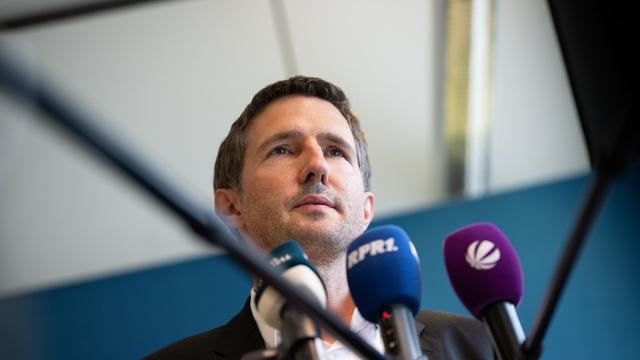
Tensions are rising within Germany's Christian Democratic Union (CDU) as the party's parliamentary group has reportedly refused to hold a meeting with its leader, Friedrich Merz. The exact reasons for this refusal have not been publicly disclosed, but it signals significant internal discord within the party. Merz, who has led the CDU since January 2022, has faced various challenges in uniting the party and navigating its political direction. This development suggests that the parliamentary group, which represents the CDU's elected members in the Bundestag, is experiencing significant friction with Merz's leadership. The situation highlights a potential crisis of confidence or a deep-seated disagreement on key party strategies or policies. Further details are expected to emerge as the internal dynamics of the CDU continue to unfold. The refusal to meet could indicate a desire for a change in leadership or a significant shift in the party's internal power balance. Observers are closely watching how Merz and the CDU leadership will address this internal challenge.
The refusal of the CDU parliamentary group to meet with leader Friedrich Merz points to internal governance challenges within the party. Such a situation may stem from divergent strategic visions, policy disagreements, or concerns over leadership effectiveness. From a systems perspective, the parliamentary group's autonomy and its ability to exert influence are critical checks on party leadership. This event could reflect broader market dynamics within the political landscape, where perceived shifts in public sentiment or electoral performance necessitate a re-evaluation of leadership and strategy. The coming decade, marked by rapid technological and societal change, demands agile and unified political leadership capable of addressing complex future challenges. Internal friction, if unaddressed, could impede the CDU's ability to adapt and compete effectively in this evolving environment, potentially impacting its long-term electoral viability and its role in national governance.
AI-generated to prompt reflection — not editorial opinion, not advice, not a statement of fact. How this works.