Ceará Court Overturns 210-Year Sentence for Officer in "Chacina do Curió" Case, Orders New Trial
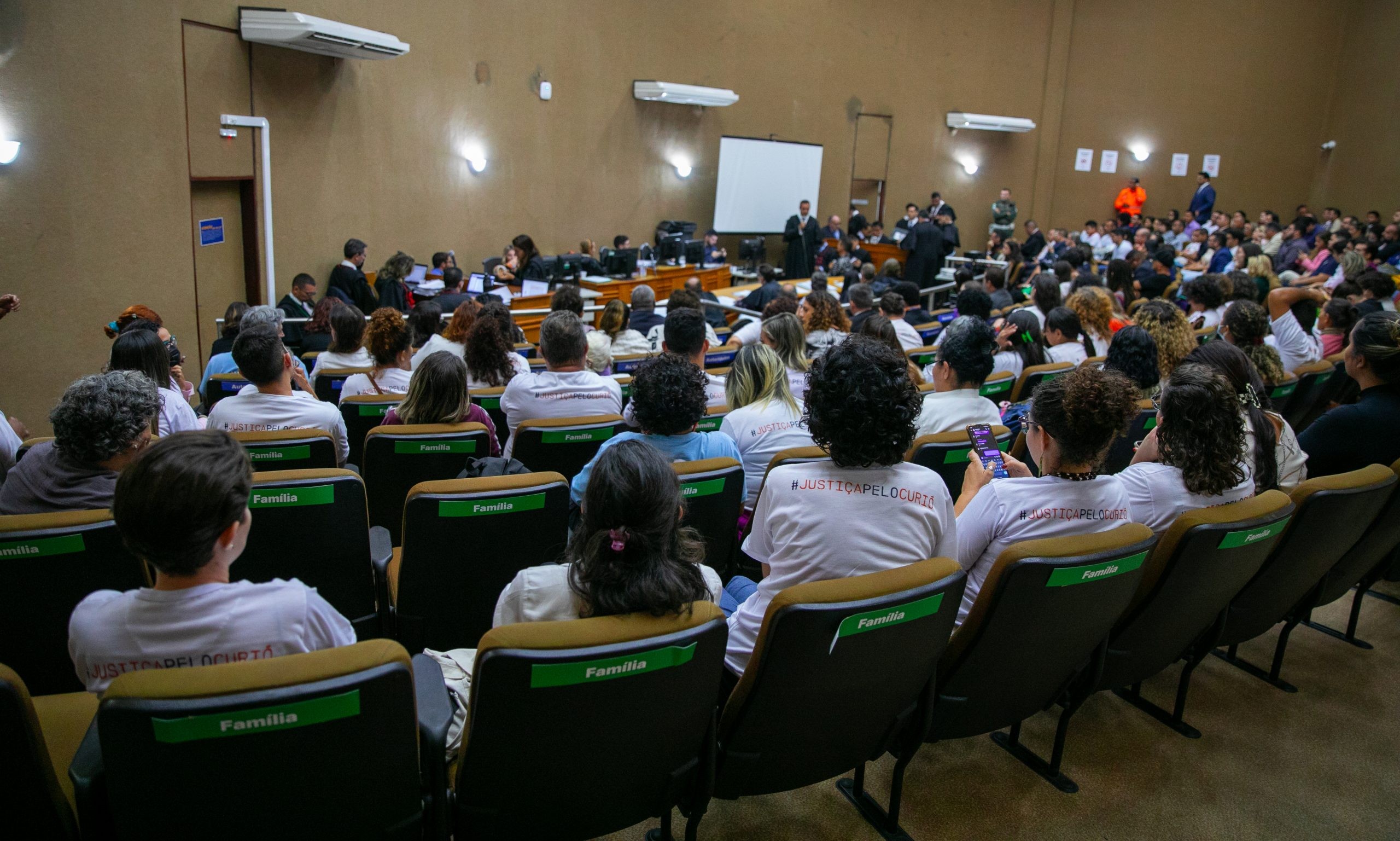
The Justice system in Ceará, Brazil, has annulled the 210-year prison sentence against Military Police Lieutenant José Oliveira do Nascimento, a defendant in the "Chacina do Curió" case. This ruling, issued on Tuesday, April 4th, overturns his conviction for 18 crimes, including homicides, attempted homicide, and torture. The "Chacina do Curió" incident occurred on November 12, 2015, resulting in the deaths of 11 individuals in a peripheral area of Fortaleza. Many of the victims were between 16 and 18 years old and had no prior police record. The Public Ministry alleges that police officers participated in these killings as retaliation for the death of a fellow officer. The court partially accepted an appeal from Lieutenant Nascimento's defense, citing that the jury's verdict was contrary to the evidence presented. Consequently, a new jury trial has been ordered for him. In a separate development within the same case, the sentence for another defendant, José Wagner Silva de Souza, was reduced. Initially sentenced to 13 years and 5 months for torture, his sentence has been decreased to 8 years, 7 months, and 25 days of imprisonment. The defense argued that the officers involved were following direct orders from their commander during an intelligence operation to locate the killers of a police officer named Serpa, and were not acting on their own volition. The Court of Justice of Ceará stated it would issue a formal statement after the official ruling is finalized.
The annulment of Lieutenant José Oliveira do Nascimento's substantial sentence and the order for a new trial in the "Chacina do Curió" case highlight the complexities of judicial review and the burden of proof in cases involving state actors. This development underscores the critical role of appellate processes in ensuring that convictions are based on robust evidence and due legal procedure, particularly when allegations involve state security forces. The reduction in sentence for another defendant, José Wagner Silva de Souza, further illustrates the nuanced application of justice within the legal framework. Moving forward, the focus will be on the forthcoming retrial, emphasizing the imperative for transparency and rigorous examination of evidence to uphold public trust in the judicial system and its capacity to address grave offenses while respecting legal safeguards.
AI-generated to prompt reflection — not editorial opinion, not advice, not a statement of fact. How this works.
