Ceará Governor Elmano Launches Reelection Bid, Senate Seat Remains Undefined
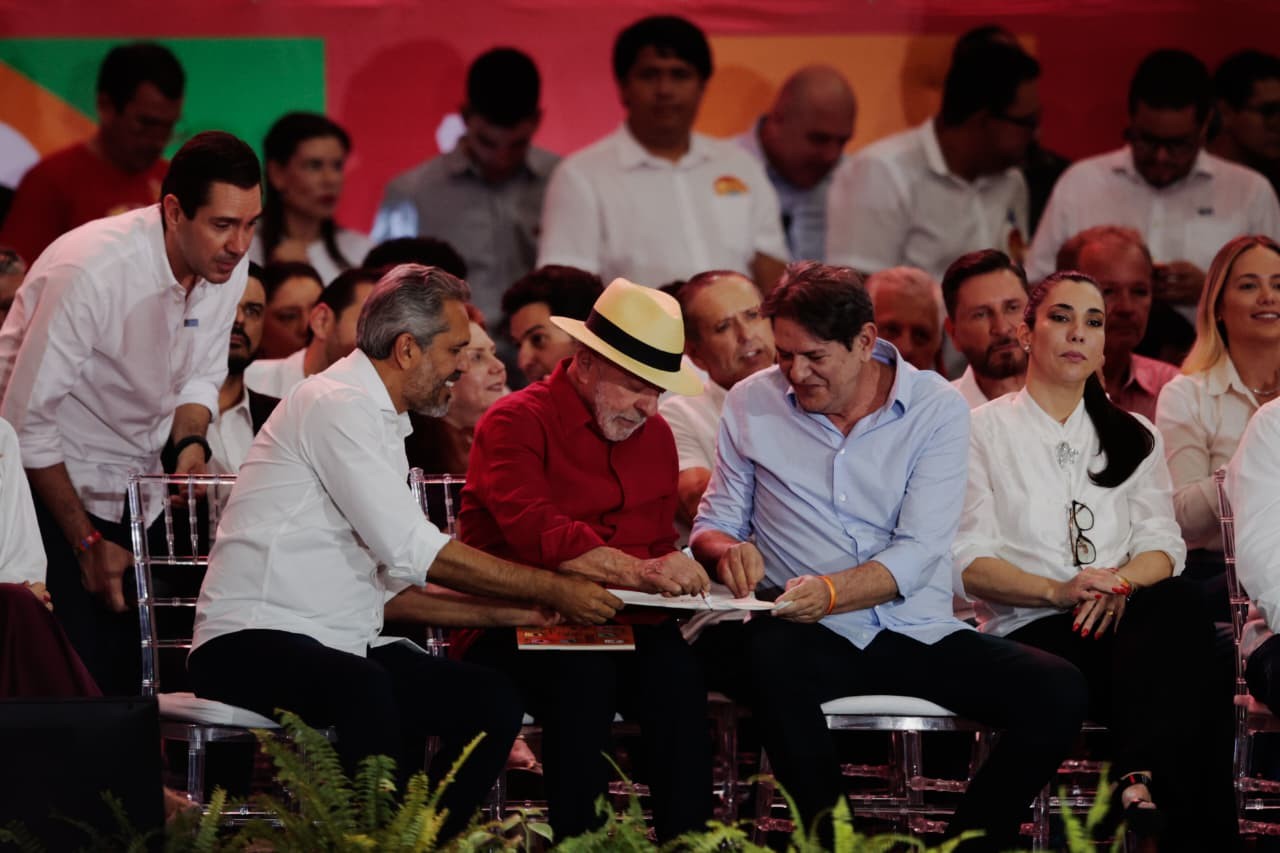
The Workers' Party (PT) has officially confirmed the reelection bid of Elmano de Freitas as the governor of Ceará. His running mate for vice-governor will be Gabriella Aguiar, the current vice-mayor of Fortaleza. Senator Cid Gomes is also seeking reelection to the Senate as part of the gubernatorial ticket. However, the party convention concluded without a definitive candidate for the second Senate seat. Cid Gomes indicated that the second nominee could be either male or female, with federal deputy Luizianne Lins being among the speculated candidates, as evidenced by her supporters' signs at the event. President Lula, present at the convention, expressed his commitment to campaigning for the as-yet-undetermined second senatorial candidate, emphasizing the need for a reformed Senate. Ceará has two open Senate seats this year, currently held by Eduardo Girão and Cid Gomes. Girão is reportedly considering a run for governor, which would preclude his Senate reelection. Cid Gomes's political maneuvering, mediated by President Lula, places his PSB party within Elmano's supporting coalition, positioning him against his brother, Ciro Gomes, who is also running for governor. The delay in naming the second senatorial candidate is seen as a strategic move to potentially attract candidates from allied or soon-to-be-allied parties, thereby expanding Elmano's coalition. Elmano de Freitas, a 56-year-old lawyer from Baturité, previously served two terms as a state deputy before becoming governor.
The strategic ambiguity surrounding the second Senate nomination in Ceará highlights a common political tactic to maximize coalition-building opportunities and leverage potential alliances. By delaying the announcement, the Elmano campaign can potentially attract a broader range of political actors or parties seeking representation, thereby strengthening their electoral position. This approach reflects a dynamic where specific candidate identities are sometimes secondary to the broader objective of consolidating political power and influence. The involvement of national figures like President Lula underscores the interconnectedness of state-level politics with federal agendas, suggesting that these nominations are not merely local decisions but are influenced by national party strategies and objectives. The long-term implications may involve the formation of broader, potentially less ideologically cohesive, political alliances that could shape future governance and policy debates within the state.
AI-generated to prompt reflection — not editorial opinion, not advice, not a statement of fact. How this works.