Ceará Governor: New Names Emerge in Massive Marijuana Farm Case
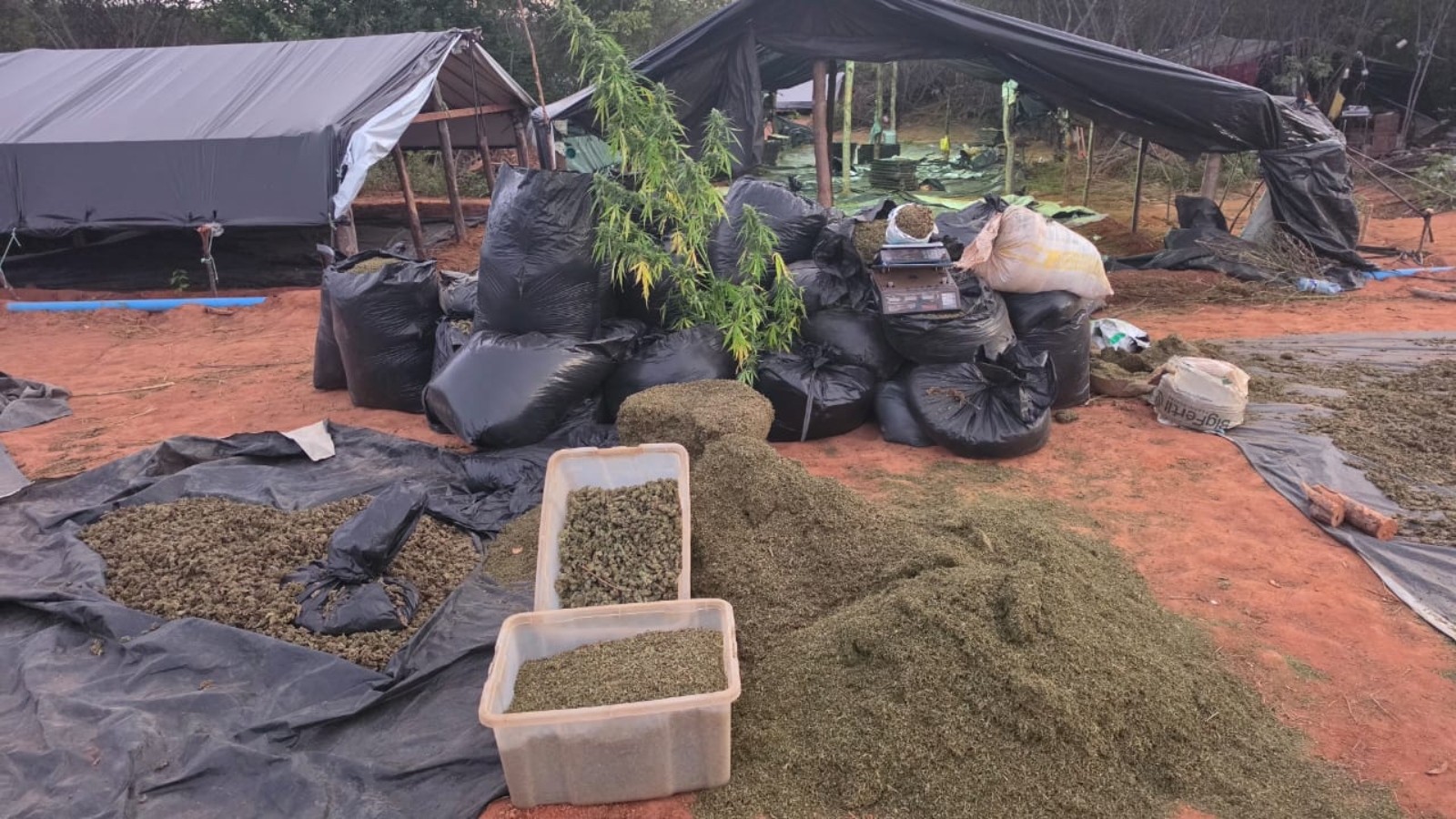
Ceará's Civil Police have identified new individuals allegedly involved in a large-scale marijuana plantation discovered in Acopiara, according to Governor Elmano de Freitas. The operation, which seized five tons of marijuana from 290,000 plants, is awaiting judicial authorization for further actions. The only arrest to date was João Holanda Neto, the landowner, who was temporarily detained on July 2nd but released the following day. His family claims the true responsible party is Cristiano Rodrigues de Lima, who leased the land in 2025 and is currently a fugitive.
The discovery on June 25th revealed not only the extensive cultivation area but also a camp used by suspects who fled upon police arrival. Evidence suggested a hasty departure, with food still cooking. The seizure, one of the largest in the state's history, became embroiled in political controversy following a complaint by federal deputy André Fernandes. He alleged the site was abandoned by police with the drugs still present, contrary to legal requirements for incineration. The Civil Police initially released a video showing the plants being destroyed and incinerated on-site.
In response to the controversy and Fernandes's claims, Governor de Freitas visited the farm and vowed to destroy the plantation and investigate police conduct. Consequently, Civil Police delegates Vicente de Paula Rodrigues and Marcos Sandro Nazaré de Lira were removed from their leadership positions pending an investigation by the State General Comptroller's Office (CGD). Their legal representatives called the administrative disciplinary process "precipitated and unreasonable," arguing it unfairly targets individuals for a broader institutional issue and engages in public "spectacularization." The Civil Police clarified that the delegates' removal is an automatic, temporary legal effect based on state law, not a prejudgment of guilt, and they remain active police officers.
This incident highlights the complex interplay between law enforcement operations, political scrutiny, and legal procedures in Brazil. The significant marijuana seizure, coupled with allegations of mishandled evidence and subsequent political fallout, underscores the challenges in maintaining procedural integrity during large-scale drug busts. The removal of delegates, while framed as a procedural step, raises questions about accountability and the potential for political influence in disciplinary actions. The differing accounts regarding the destruction of evidence and the discovery of buried plants suggest a need for transparent and robust oversight mechanisms to ensure public trust and adherence to legal mandates. Future investigations will likely focus on establishing clear lines of responsibility and reinforcing protocols for evidence handling and destruction to prevent similar controversies and ensure justice is served efficiently and impartially.
AI-generated to prompt reflection — not editorial opinion, not advice, not a statement of fact. How this works.